For the majority of hacker and maker projects, the miniature computer of choice these last few years has been the Raspberry Pi. While the availability issues that seem to plague each new iteration of these extremely popular Single Board Computers (SBCs) can be annoying, they’ve otherwise proven to be an easy and economical way to perform relatively lightweight computational tasks. Depending on who you ask, the Pi 4 is even powerful enough for day-to-day desktop computing. Not bad for a device that consistently comes in under a $50 USD price point.
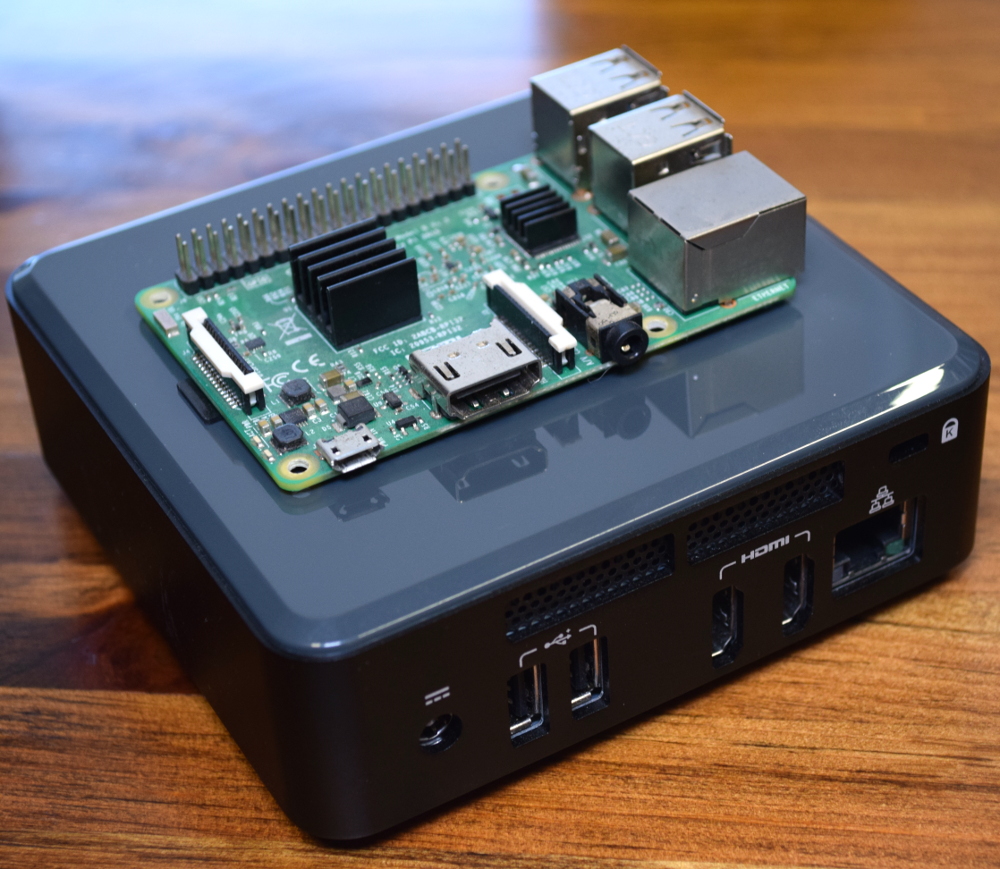
But we all know there are things that the Pi isn’t particularly well suited to. If your project needs a lot of computing power, or you’ve got some software that needs to run on an x86 processor, then you’re going to want to look elsewhere. One of the best options for such Raspberry Pi graduates has been the Intel Next Unit of Computing (NUC).
NUCs have the advantage of being “real” computers, with upgradable components and desktop-class processors. Naturally this means they’re a bit larger than the Raspberry Pi, but not so much as to be impractical. If you’re working on a large rover for example, the size and weight difference between the two will be negligible. The same could be said for small form-factor cluster projects; ten NUCs won’t take a whole lot more space than the same number of Pis.
Unfortunately, where the Intel NUCs have absolutely nothing on the Raspberry Pi is price: these miniature computers start around $250, and depending on options, can sail past the $1,000 mark. Part of this sharp increase in price is naturally the vastly improved hardware, but we also can’t ignore that the lack of any strong competition in this segment hasn’t given Intel much incentive to cut costs, either. When you’re the only game in town, you can charge what you want.
But that’s about to change. In a recent press release, AMD announced an “open ecosystem” that would enable manufacturers to build small form-factor computers using an embedded version of the company’s Ryzen processor. According to Rajneesh Gaur, General Manager of AMD’s Embedded Solutions division, the company felt the time was right to make a bigger push outside of their traditional server and desktop markets:
The demand for high performance computing isn’t limited to servers or desktop PCs. Embedded customers want access to small form factor PCs that can support open software standards, demanding workloads at the edge, and even display 4K content, all with embedded processors that have a planned availability of 10 years.
Power at the Edge
There are a number of current and upcoming Ryzen-based devices, which AMD apparently wants to call “Mini PCs” to distance themselves from the NUC terminology, and the common goal between them all is simple: to pack as much computing power as possible into a small and rugged case. Rather than the sleek consumer-friendly outward appearance that many Intel NUCs have, these first-generation AMD powered boxes have a distinctive industrial look. It seems the manufacturers most interested in putting Ryzen chips in their small form-factor computers expect them to live a very harsh life.
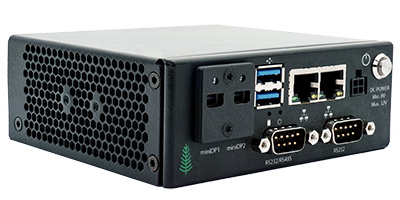
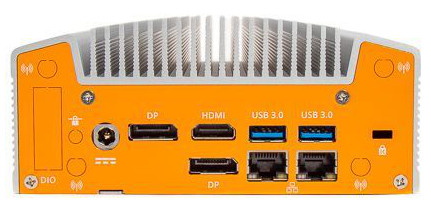
In fact many of the announced computers, built by relatively small firms like ASRock and OnLogic, make it clear they’re not intended for consumer use. These machines are designed for commercial applications such as driving high-resolution digital signage, or for use in communication networks. You aren’t supposed to be putting one of these things under your TV, and it shows.
All of these Mini PCs are part of the growing trend towards “Edge Computing”, where powerful processors and large amounts of RAM are brought closer to where they’re needed instead of being accessed remotely. Rather unsurprisingly, the need for an always-on broadband Internet connection can be a problem in many applications. If this sounds an awful lot like how we used to do things before “The Cloud” took over, you wouldn’t be wrong.
Professional Price
While there already seems to be a healthy number of entries into AMD’s new Mini PC ecosystem, one thing seems painfully missing: a product we can actually afford to hack on.
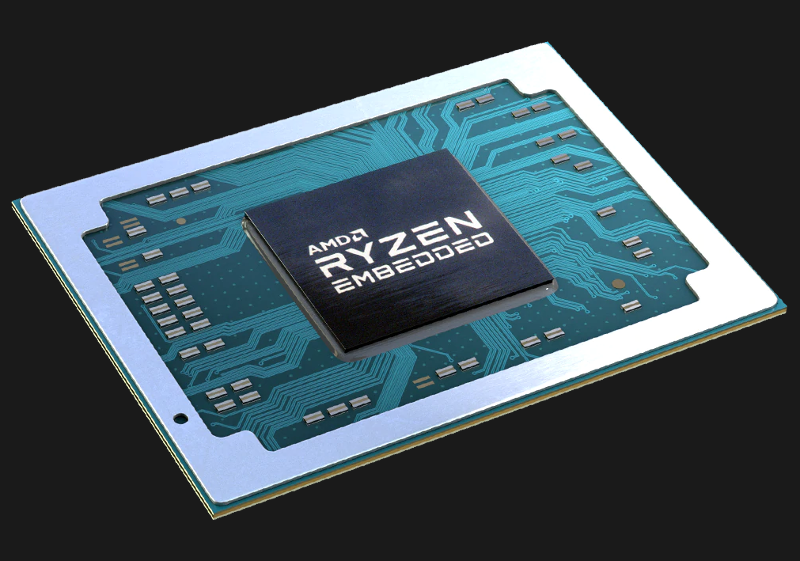 Being that these devices primarily target industrial and commercial applications, they unfortunately have a sticker price to match. For even a relatively barebones AMD Mini PC, the starting price looks to be around $500. Granted pricing and availability on several of the upcoming models isn’t currently available, but with just a glance at their construction and specs, it’s painfully obvious that the lowly hardware hacker isn’t the target audience.
This is obviously disappointing for those of us looking for something to roll into our projects immediately, but it’s important to remember that competition doesn’t always develop overnight. With their push into the small-form factor market, AMD is getting an overdue foot in the door. It’s logical that the first wave of machines would target where the money is, but as production of Ryzen Embedded chips ramp up, it seems inevitable that other companies will see the opportunity to spin off more consumer oriented products to put them in.
No comments:
Post a Comment