Space may be the final frontier, but there are still Earthly frontiers that a select few have visited — the deepest depths of the high seas. Victor Vescovo, a Texas businessman and former Naval officer, is one of those few. Last spring, Vescovo realized his dream of becoming the first person to scrape the bottoms of all five oceans.
Vescovo descended alone in Limiting Factor, a $37 million two-seater submersible he commissioned from Triton, a private manufacturer who made this feat of engineering come to life. Vescovo and the crew discovered over 40 new species of aquatic lifeforms throughout the course of their Five Deeps expedition. But the attention-getting takeaway came when Vescovo visited the absolute lowest point on Earth. In the Challenger Deep portion of the Marianas Trench, seven miles below sea level, he saw a plastic bag drift by in the abyss.
One normal-sounding quirk sets this sub apart from others: it’s made to be reusable. You read that right, most super-deep divers never manage to dive over and over again.
A Super Submersible
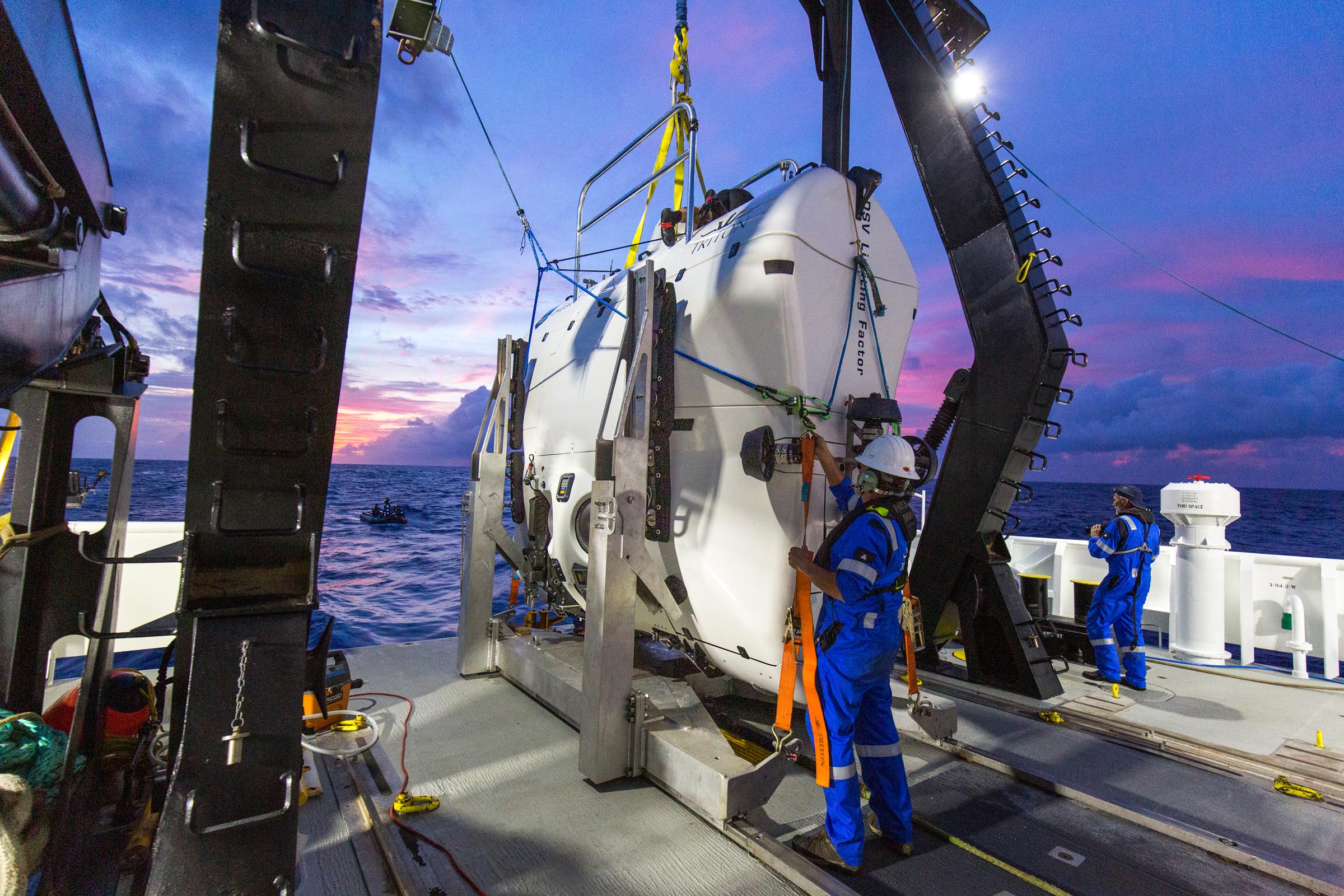
Limiting Factor wasn’t built simply to satisfy the whims of a curious zillionaire. Its engineering pedigree makes the sub a top notch tool for repeatable deep sea exploration. In fact, Triton are already working on a research expedition vessel based on the new technologies explored and lessons learned from designing this special sub.
Limiting Factor is officially the first submersible to reach the deepest points of all five oceans. In order to accomplish this, it was built to withstand 20% more pressure than it would actually encounter anywhere on Earth. Much of the sub’s crush-proof factor comes from her grade 5 titanium hull, which was put through its paces at the Krylov Research Center in St. Petersburg, Russia.
The sub is powered by LiFePO4 batteries and equipped with a total of ten thrusters that allow movement in any direction, although it’s primarily designed to move vertically through the water with ease.
One-Shot Wonders
Although this record-setting submersible is not the first to scrape the Challenger Deep, it’s the first one that’s been built to do it an unlimited number of times.
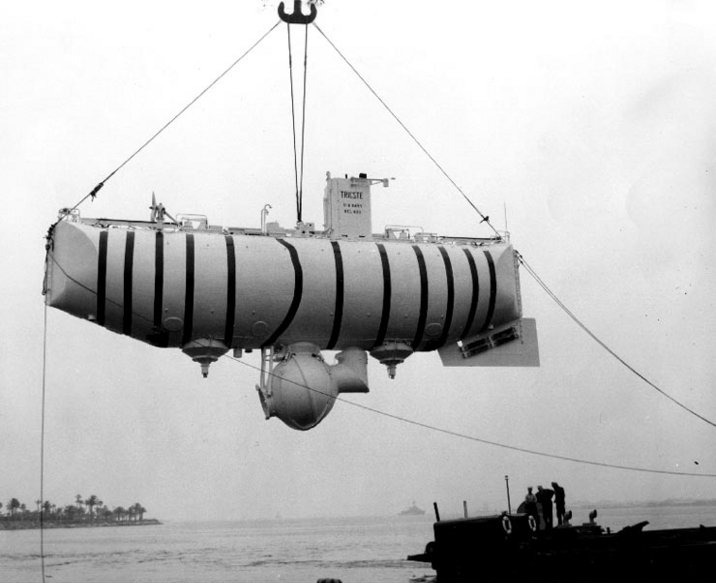
The first manned sub to travel 11,000 meters to the Challenger Deep was Trieste, a bathyscaphe that made the trip in 1960. Trieste’s hull was built to withstand more than enough pressure, but one of the windows cracked on the dive down. Trieste was modified a few years later to search for a missing submarine, and is now retired and living in a museum.
In 2012, film director James Cameron piloted an Australian-built sub called Deepsea Challenger to the same place, recording a depth of 10,908 meters. Deepsea Challenger may have been able to make subsequent dives, but the world may never know. It was donated for research study and then damaged when the truck transporting it caught on fire.
And So Can You
With the Five Deeps expedition now complete, Vescovo has opened a few slots for pleasure dives to the Challenger Deep. For the low price of $750,000, you can go see the world’s most remote plastic bag for yourself.
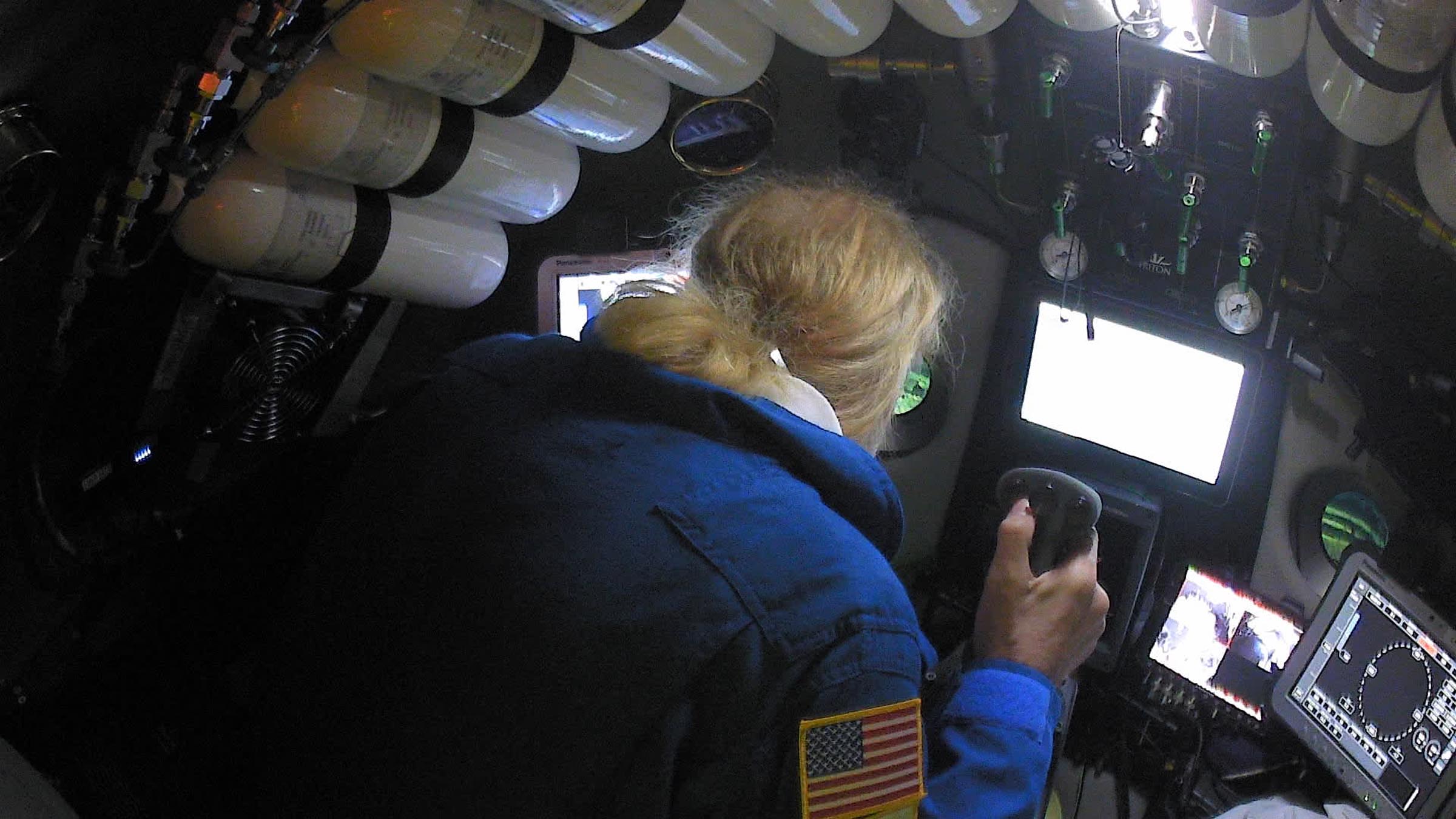
This is not a trip for the claustrophobic or the faint of heart. It takes about four hours to ascend and descend, and there is only 16 hours’ worth of oxygen in the main system. Oh, and the entire vessel is about the size of a small SUV, so it’s just gonna be you and Vescovo in a small, dimly-lit cockpit, breathing recycled and CO₂-scrubbed air. If you can’t afford the trip, you’re in luck — a Five Deeps documentary is forthcoming.
Vescovo seems like a cool guy — all curiosity and possibility, nothing villainous about him in the slightest. Prior to the whole 20,000 leagues under the sea thing, he scaled all the world’s highest peaks. Here’s an interview that includes a decent amount of footage from the Marianas Trench, aka plastic bag-ville, beginning with the moment he lands and kicks up a four-foot cloud of virgin ocean floor.
No comments:
Post a Comment