If you’ve ever used FaceTime, Skype, own a Magic Jack, or have donated money after a disaster by sending a text message, then you have Marian Croak to thank. Her leadership and forward thinking changed how Ma Bell used its reach and made all of these things possible.
Marian Croak is a soft-spoken woman and a self-described non-talker, but her actions spoke loudly in support of Internet Protocol (IP) as the future of communication. Humans are always looking for the next best communication medium, the fastest path to understanding each other clearly. We are still making phone calls today, but voice has been joined by text and video as the next best thing to being there. All of it is riding on a versatile network strongly rooted in Marian’s work.
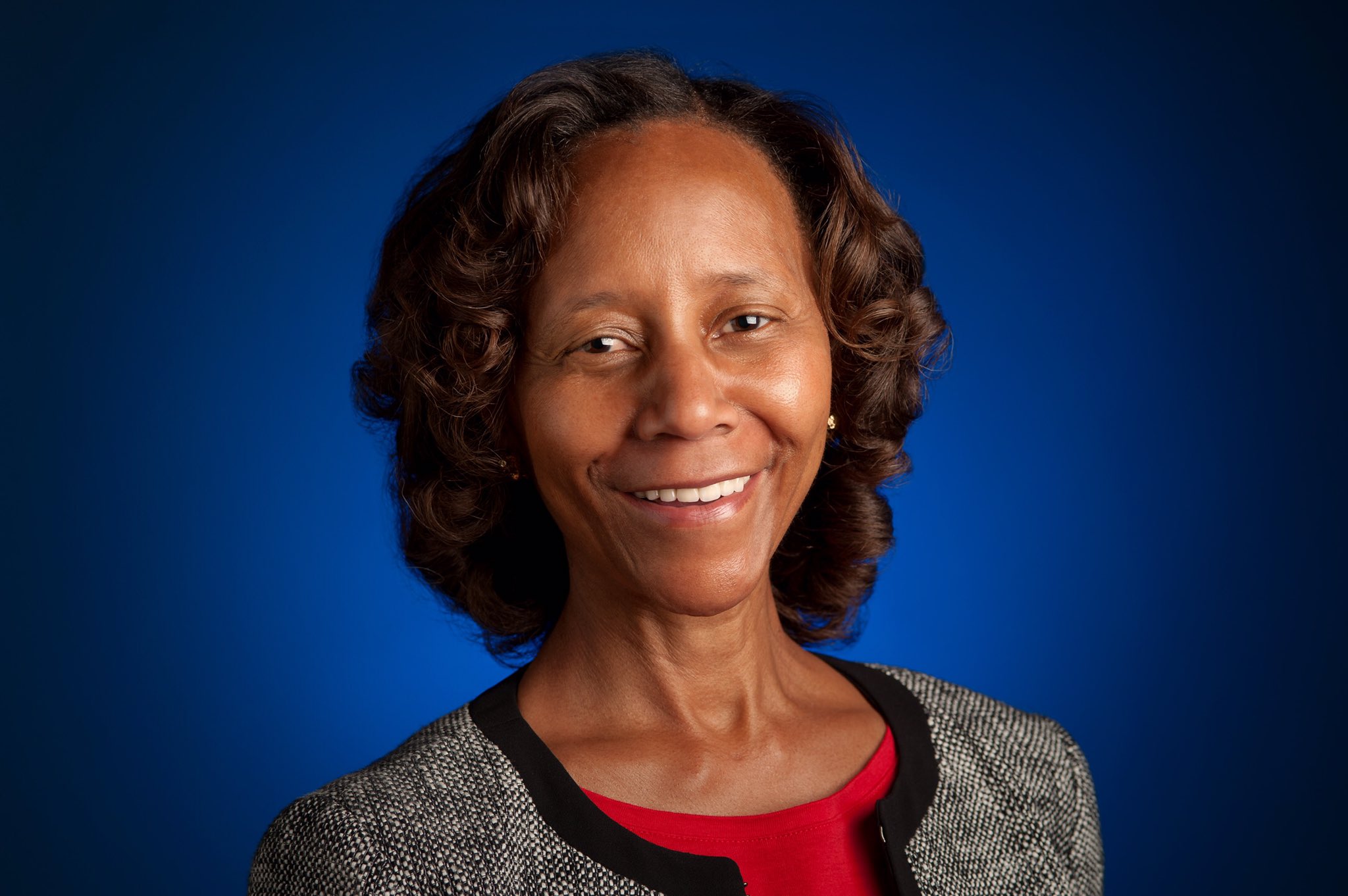
Little Miss Fix-it
Most kids, girls especially, want to help Mom and Dad at some point in their childhoods. But young Marian wasn’t interested in learning to cook or do the laundry — she wanted to be the one her mother called on when the furnace quit working or the dishwasher started leaking. Whenever a repairman came to the house, Marian would follow close behind, bugging them with questions about their equipment and troubleshooting procedures.
Other 1960s households might have discouraged that behavior, but Marian had a lot of support from her family, especially her father. She even quit Catholic school in 10th grade to chase a more scientific education in a gritty NYC public high school with bars on the windows. Marian’s parents weren’t pleased, but they didn’t try to stop her. In fact, her Dad showed his support by building a chemistry set in the basement. After graduation, Marian went to Princeton and then moved across the country to USC for graduate school. There, she earned a PhD in quantitative analysis — now known as data science — and social psychology.
Pulling Ma Bell Into the Internet Age
Marian accepted a position at Bell Labs in 1982 and moved back to the east coast before her USC graduation cap hit the ground. While most of the company was focused on voice, Marian worked on messaging applications and was tasked with finding out whether already-deployed messaging applications were compatible with each other.
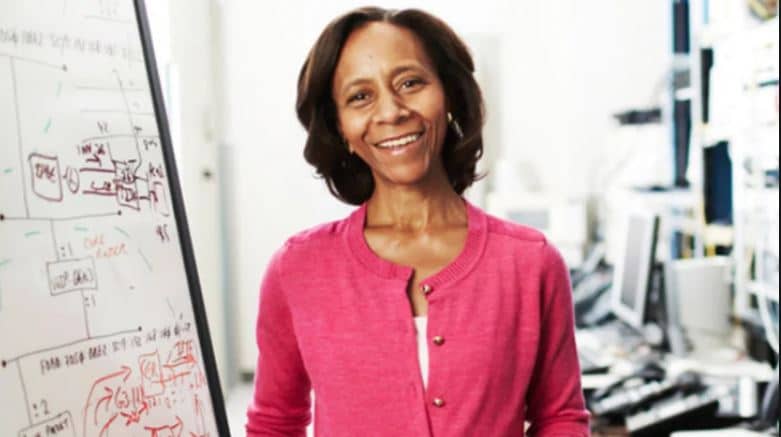
By the early 1990s, Marian moved into data services and networking. These were both due for a new infrastructure, and AT&T was planning a multi-billion dollar switch over to the Asynchronous Transfer Mode (ATM) protocol. Marian and her team started looking at TCP/IP instead, and believed it was the wave of the future. They advocated for the protocol and convinced the executives that IP was the way to go, even though the technology wasn’t quite ready for the proposed load of integrated voice, data, and video.
AT&T merged the IP and voice networking engineering teams and assigned Marian to manage this group of 2,000 or so engineers in order to get the network ready. Because of her background, Marian was in a unique position to understand both the plight of the fast-to-market IP engineers as well as the slow and steady, test-happy approach of the networking side. But Marian wasn’t some hands-off VP — she was down in the trenches by day, night, and weekends. By the end of Marian’s 32-year career with AT&T, she had racked up over 200 patents, more than half of which are related to Voice over IP (VoIP) products.
Vote with Your Phone
In the early 2000s, text messaging was in its infancy and ruled by T9 input — using the numeric keypad on the phone to spell out messages, often through repeated presses to select each letter. Still, Marian saw the potential in the service. AT&T partnered with American Idol to create a text-based voting system built by Marian’s team. Millions of people learned how to text so they could weigh in each week.
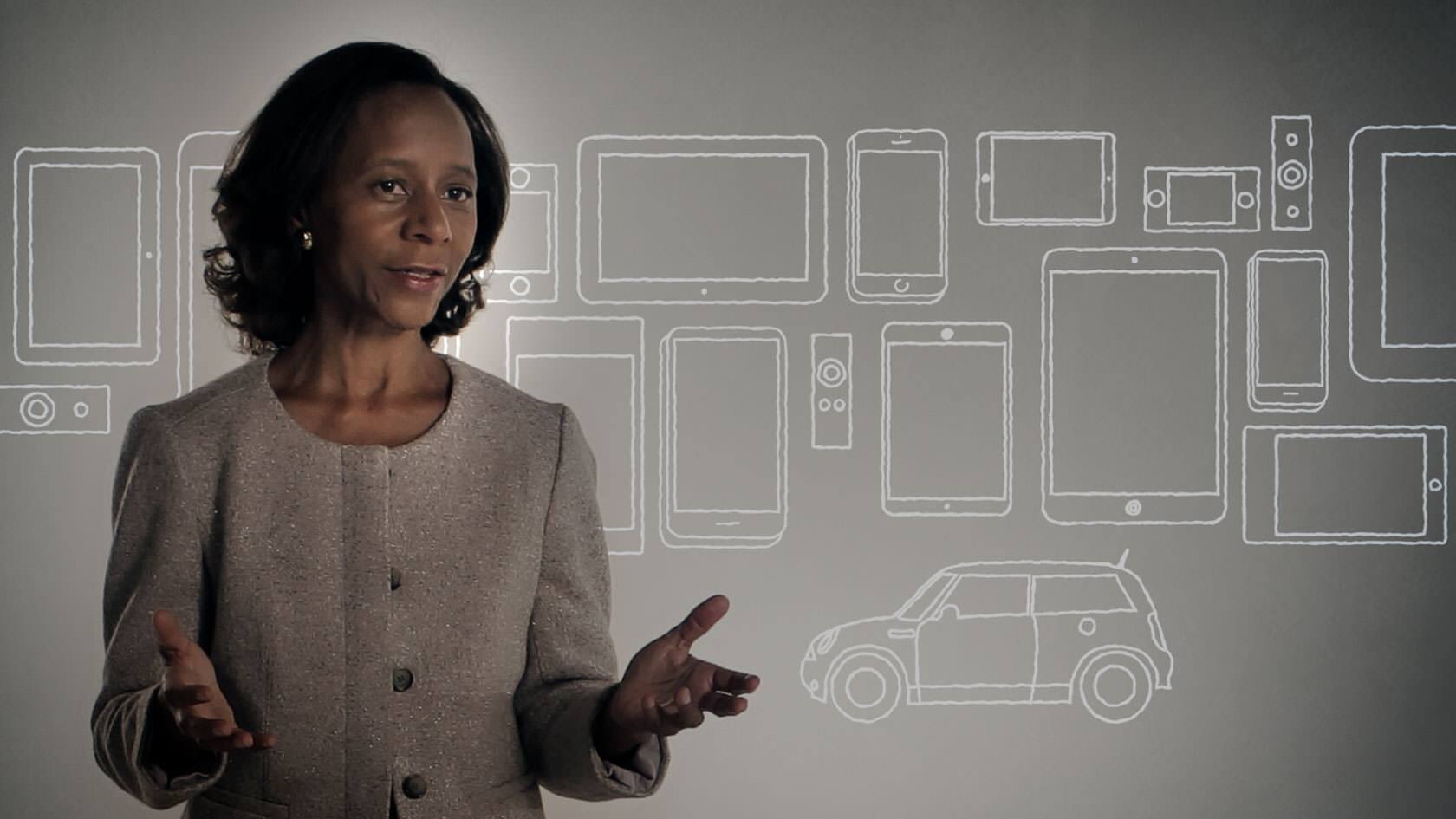
When Hurricane Katrina hit the Gulf Coast in 2005, Marian saw even more potential and created a platform for people to donate to the relief fund by texting, essentially authorizing a bit extra on next month’s phone bill. Text to donate was used again to great success to provide relief for Haiti after the 2010 earthquake.
Marian was hired by Google in 2014 and is currently a Vice President of Engineering. Today, she leads the charge of expanding internet access in developing countries. She continues with her humanitarian work, having led Project Loon’s initiative to provide balloon-based emergency cell service to the residents of Puerto Rico following the devastation of Hurricane Maria.
In many ways, she is still doing the same thing she has done throughout her career — ‘trying to change the world in simple, pragmatic ways’, as she put it in a 2012 letter she wrote to young women in technology. Marian continues to be an inspiration. You can watch her keynote address below from Google’s 2017 Women Techmakers Mountain View Summit.
No comments:
Post a Comment