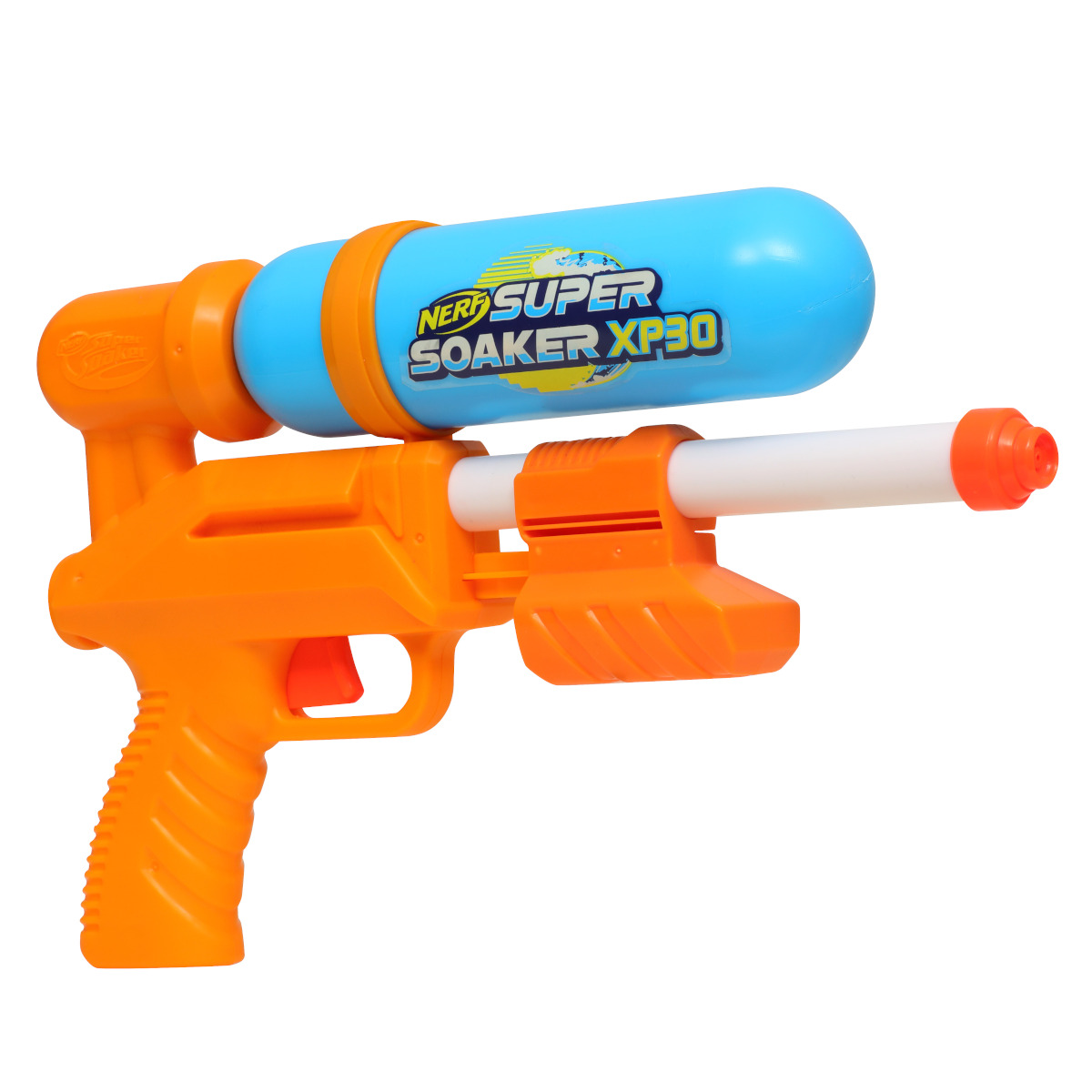
To be a child in the 1970s and 1980s was to be of the first generations to benefit from electronic technologies in your toys. As those lucky kids battled blocky 8-bit digital foes, the adults used to fret that it would rot their brains. Kids didn’t play outside nearly as much as generations past, because modern toys were seducing them to the small screen. Truth be told, when you could battle aliens with a virtual weapon that was in your imagination HUGE, how do you compete with that.
How those ’80s kids must have envied their younger siblings then when in 1990 one of the best toys ever was launched, a stored-pressure water gun which we know as the Super Soaker. Made of plastic, and not requiring batteries, it far outperformed all squirt guns that had come before it, rapidly becoming the hit toy of every sweltering summer day. The Super Soaker line of water pistols and guns redefined how much fun kids could have while getting each other drenched. No longer were the best water pistols the electric models which cost a fortune in batteries that your parents would surely refuse to replace — these did it better.
You likely know all about the Super Soaker, but you might not know it was invented by an aerospace engineer named Lonnie Johnson whose career included working on stealth technology and numerous projects with NASA.
The Inventor Of The Coolest Toy On Earth Also Worked on Some of the Coolest “Toys” in the Solar System
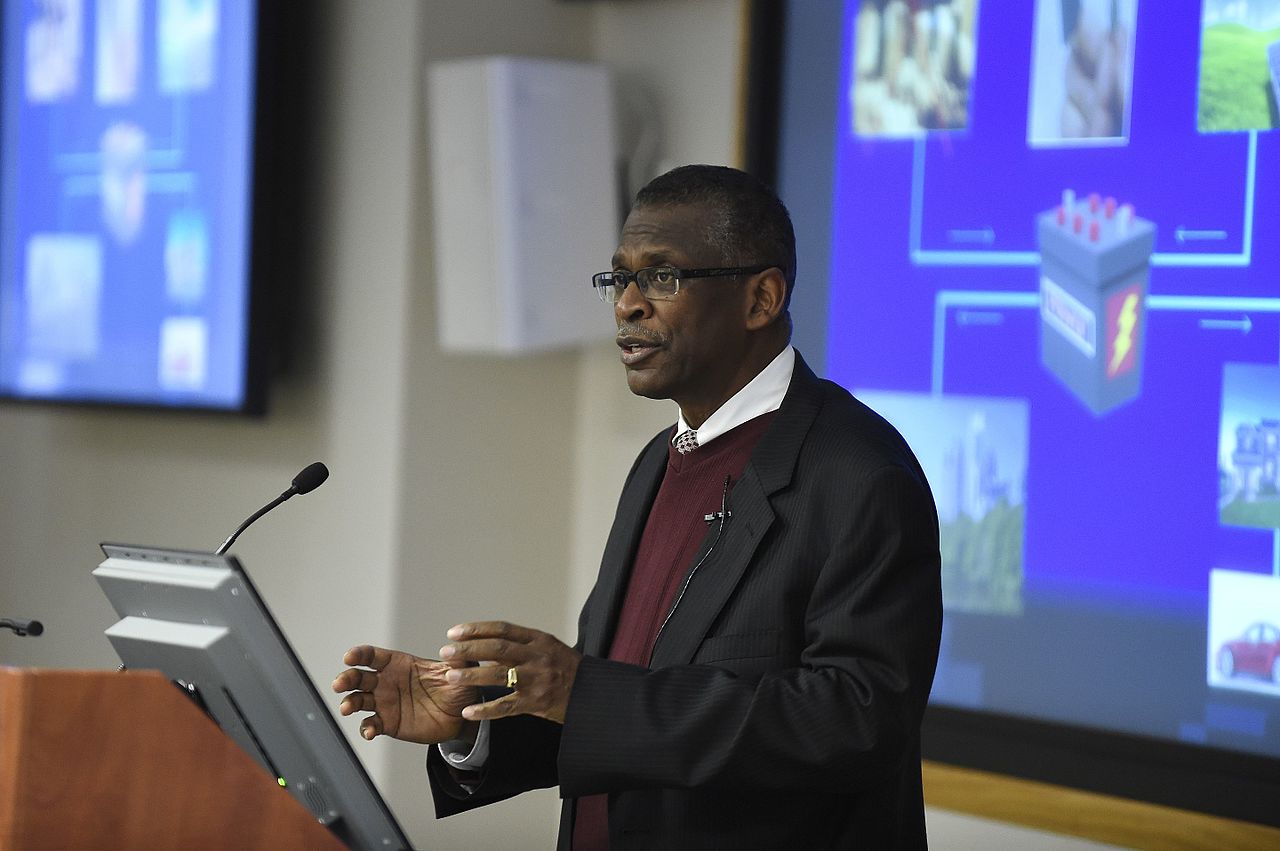
When you are a child, your thoughts never stray to where your toys come from. They’re just there, but maybe when you are a little bit older you begin to realise that somebody somewhere invented them and made your life just a bit more awesome. In the case of the Super Soaker, that somebody was not an anonymous team at a toy company but one man, a former US Air Force and NASA engineer named Dr. Lonnie Johnson.
In the stories of Lonnie Johnson’s early life in 1950s Mobile, Alabama, will be things that many Hackaday readers will recognise as the hallmark of a young hardware hacker. Dismantling the head of his sister’s doll to investigate its eye-closing mechanism, making rocket fuel in the family kitchen, or building a lawnmower-engine-powered kart. He recounts in interviews the support of his parents, after nearly burning the house down in the rocket fuel incident he was given a hotplate and told to continue outdoors rather than being punished.
In the final class at his high school to be racially segregated, he represented the institution at the Alabama State Science Fair in 1968 and took away first prize with a compressed-air-powered robot, before going on the next year to study mechanical engineering at Tuskogee University. He would finally graduate in 1973 with his mechanical engineering bachelors degree and a masters in nuclear engineering, going on to join the US Air Force where he would work on among other projects the nascent American stealth aircraft fleet. Lonnie spent about twelve years of his career at NASA’s Jet Propulsion Laboratory where he worked on Galileo, the Mars Observer, and Cassini, just to name a few.
The Brilliance of a Light Weight, High Pressure Tank
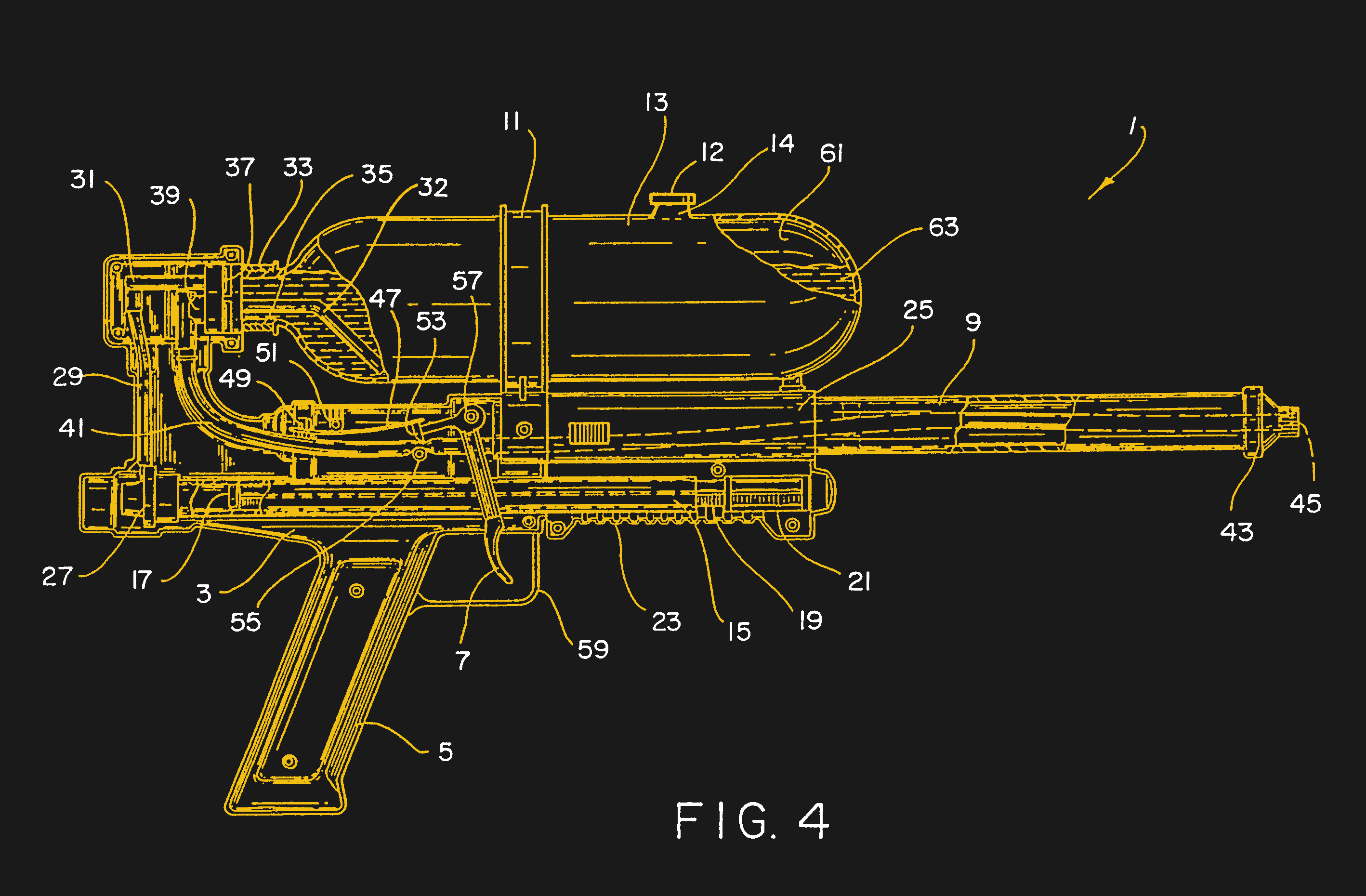
How does a nuclear engineer become the designer of the world’s most awesome water blaster? The story goes that as an early 1980s NASA engineer while working on a home side project heat pump that used water as its propellant, he would test its pump component and immediately recognise the fun inherent to a high-pressure jet of water shooting across his bathroom.
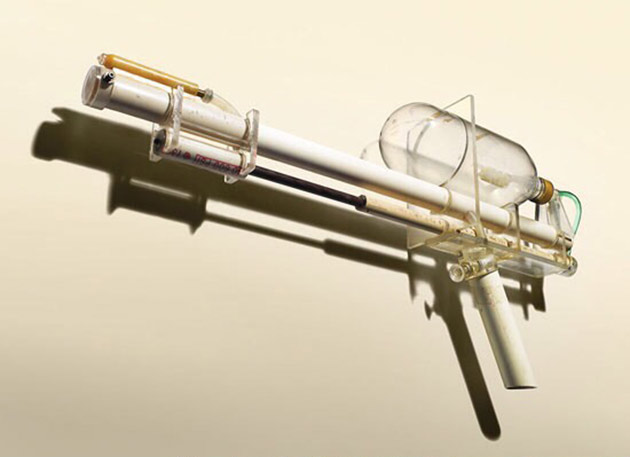
The path from there to 1990’s “Power Drencher” toy reaching the market and then being renamed “Super Soaker” was a long and tortuous one with multiple false starts. But his idea of using compressed air from a blown PET reservoir was a genuine innovation that changed the world of water blaster toys forever. This tank stored compressed air pressure instead of a heavier and more expensive to manufacture moulded part, giving a lightweight handheld enough power to propel an intense stream of water unlike any toys that came before it.
High-calibre engineering is worth its salt whether it is probing the outer reaches of the Solar System or defending a backyard from your invading elementary school classmates.
Not One To Sit On His Laurels…
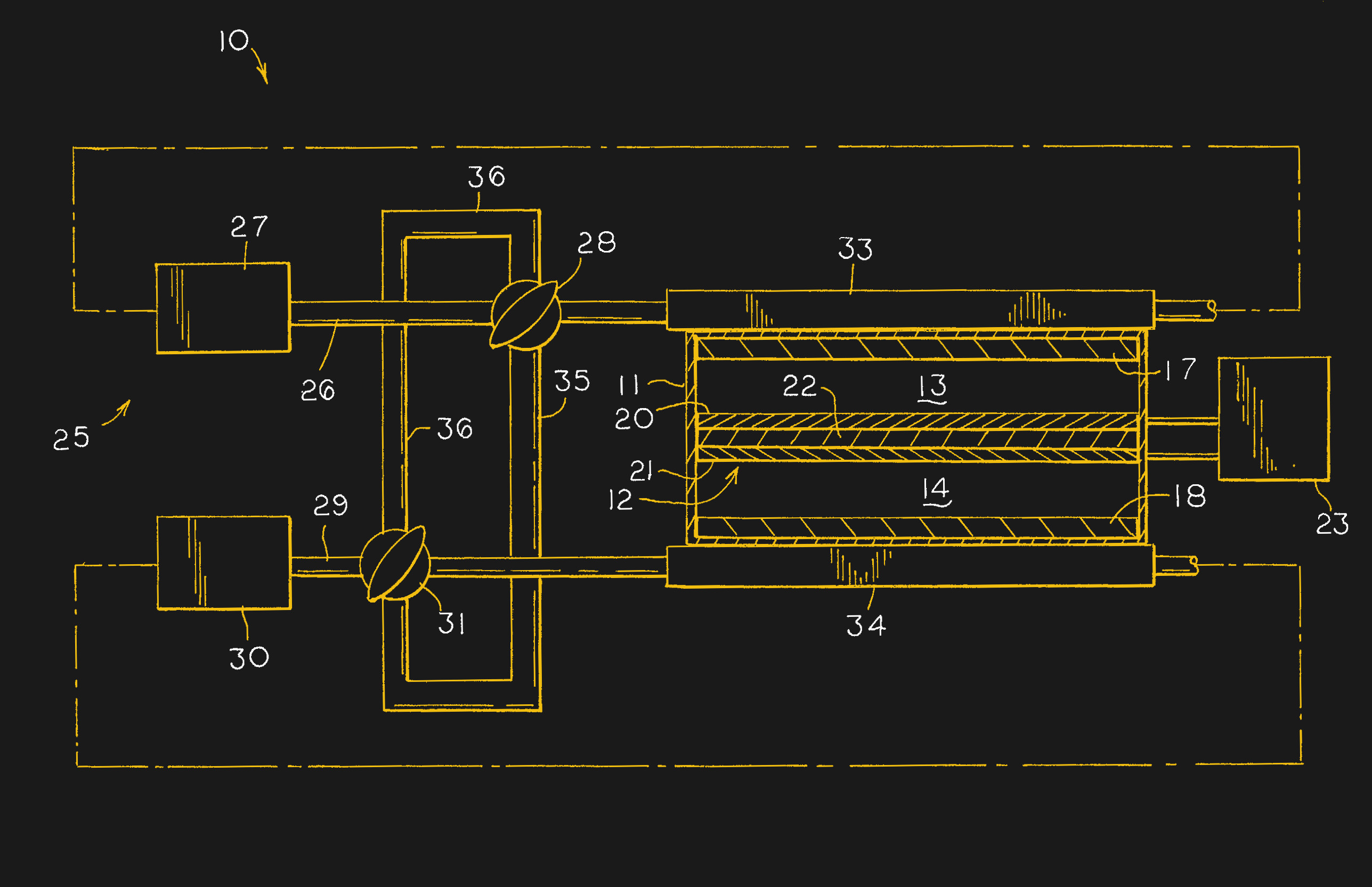
If ever the earning of a fortune was well deserved then, it can be found in the work of Lonnie Johnson. But the story isn’t over, because instead of retiring on the proceeds of a brightly coloured water blaster, he has continued with the freedom to be that luckiest of engineers: one with the resources to choose his own work. His patents are legion, but probably those of most impact will be in the field of green energy. Through his Johnson R & D company he is pursuing a novel heat engine with the aim of achieving 80% efficiency in producing electrical power from heat. This implements an Ericsson thermodynamic cycle in a solid state device, with hydrogen gas passing through a proton exchange membrane between two electrodes that forms the equivalent of a regenerative heat exchanger. It’s still under development, but when it reaches the market it is likely to have a significant impact on the viability of solar power, as well as replacing heat pumps in many other applications.
So writing this from the opposite side of the ocean to his Atlanta base, Lonnie Johnson is one of my engineering heroes. He’s probably caused more spontaneous juvenile joy through his inventions than any other engineer of his generation, but his work both before and after the Super Soaker goes well beyond an awesome plastic toy. Giving gleeful kids the means to drench each other is what he’s known for today, but I’d put money on his fame in future decades being for cheap carbon-free energy.
No comments:
Post a Comment