Tuesday, November 15

“Project Volterra” review: Microsoft’s $600 Arm PC that almost doesn’t suck

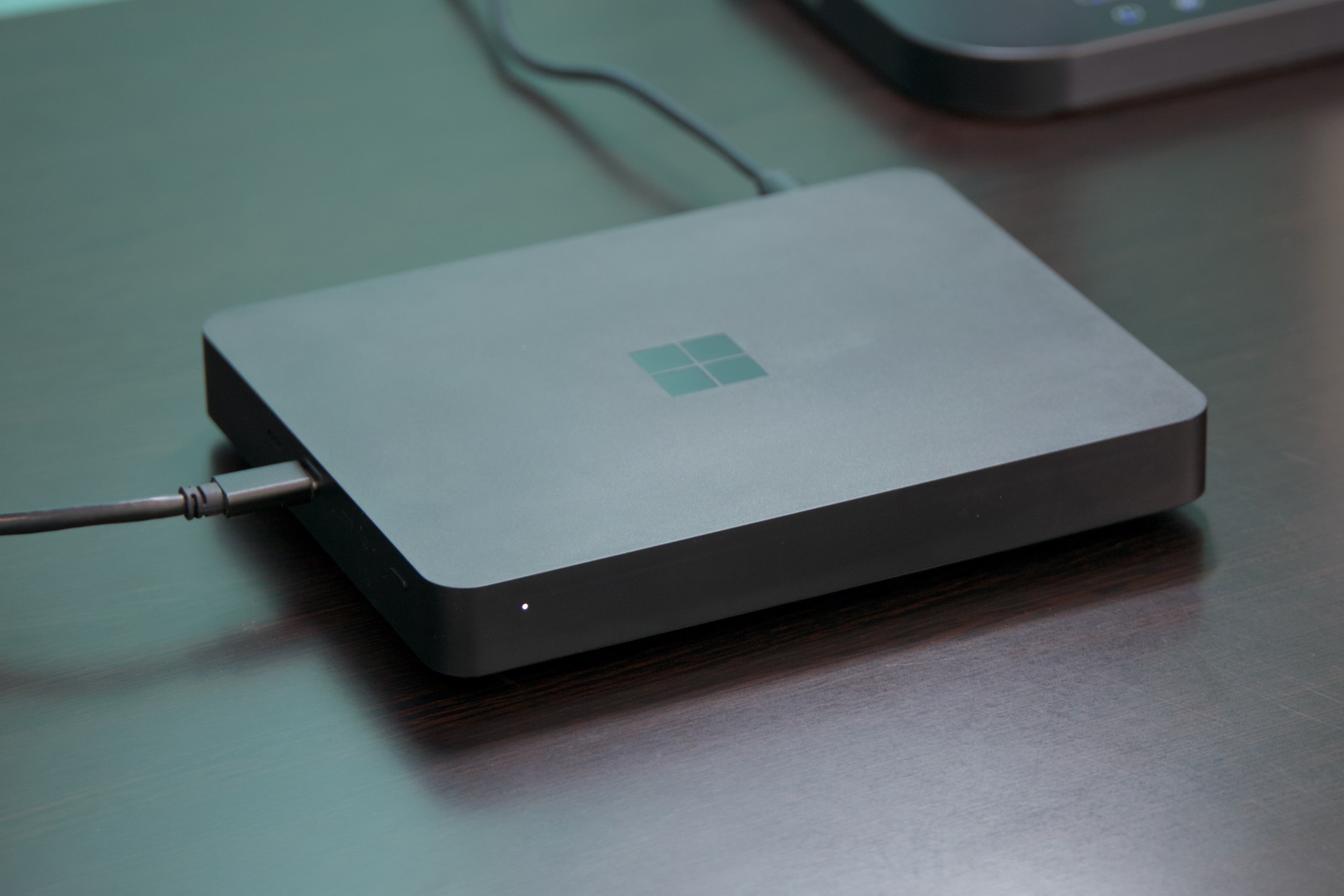
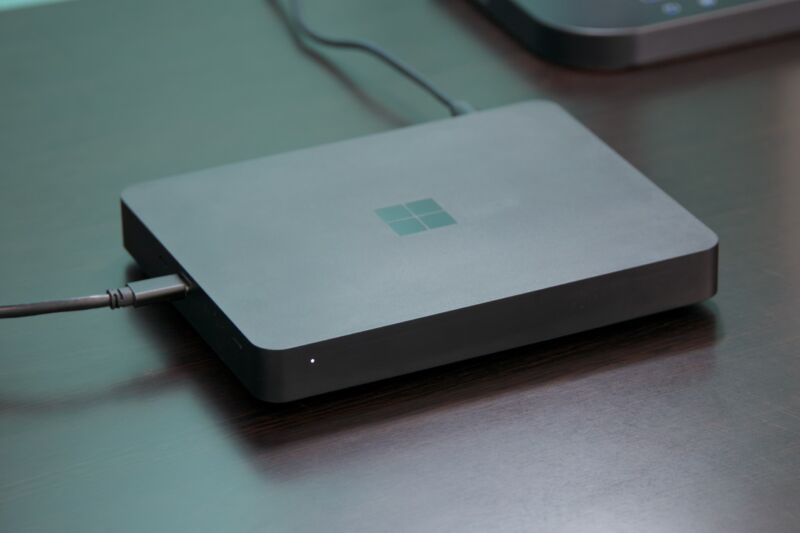
Microsoft's Windows Dev Kit 2023 is meant to get the Arm version of Windows into the hands of more developers.

Enlarge / Microsoft's Windows Dev Kit 2023 is meant to get the Arm version of Windows into the hands of more developers. (credit: Andrew Cunningham)

Microsoft has released two new systems based on Qualcomm's Arm processors lately. The first, a 5G version of the Surface Pro 9, has mostly been panned by reviewers, with software compatibility being a major pain point even after two generations of the Arm-powered Surface Pro X. The second is the $600 Windows Dev Kit 2023, formerly known by the much cooler name "Project Volterra," and it's supposed to help solve that software problem.

Microsoft has tried doing Arm Windows developer boxes before—namely, the $219 ECS LIVA QC710 it began selling about a year ago (it's no longer for sale, at least not through Microsoft's store). But with its 4GB of memory, 64GB of pokey storage, and underpowered Snapdragon 7c processor, using it was like revisiting the bad netbook days. Maybe you could get some basic browsing done on it. But actual work, even for someone like me who primarily works with text and medium-resolution photos all day? Nope.

The Dev Kit 2023 is nearly three times as expensive, but the hardware is powerful enough that it mostly just feels like a typical midrange mini-desktop in day-to-day use. Freed from the limitations of cruddy hardware, the machine makes it much easier to evaluate Windows-on-Arm's remaining software limitations. For this review, we won't be using it as a developer box, but it does give us a good chance to evaluate where the Windows-on-Arm project is right now, both in hardware and software—especially relative to the Mac, the other hardware and software ecosystem that is making a much cleaner, wider-ranging, and more graceful transition from x86 software to Arm.
Read 25 remaining paragraphs | Comments

Monday, November 14

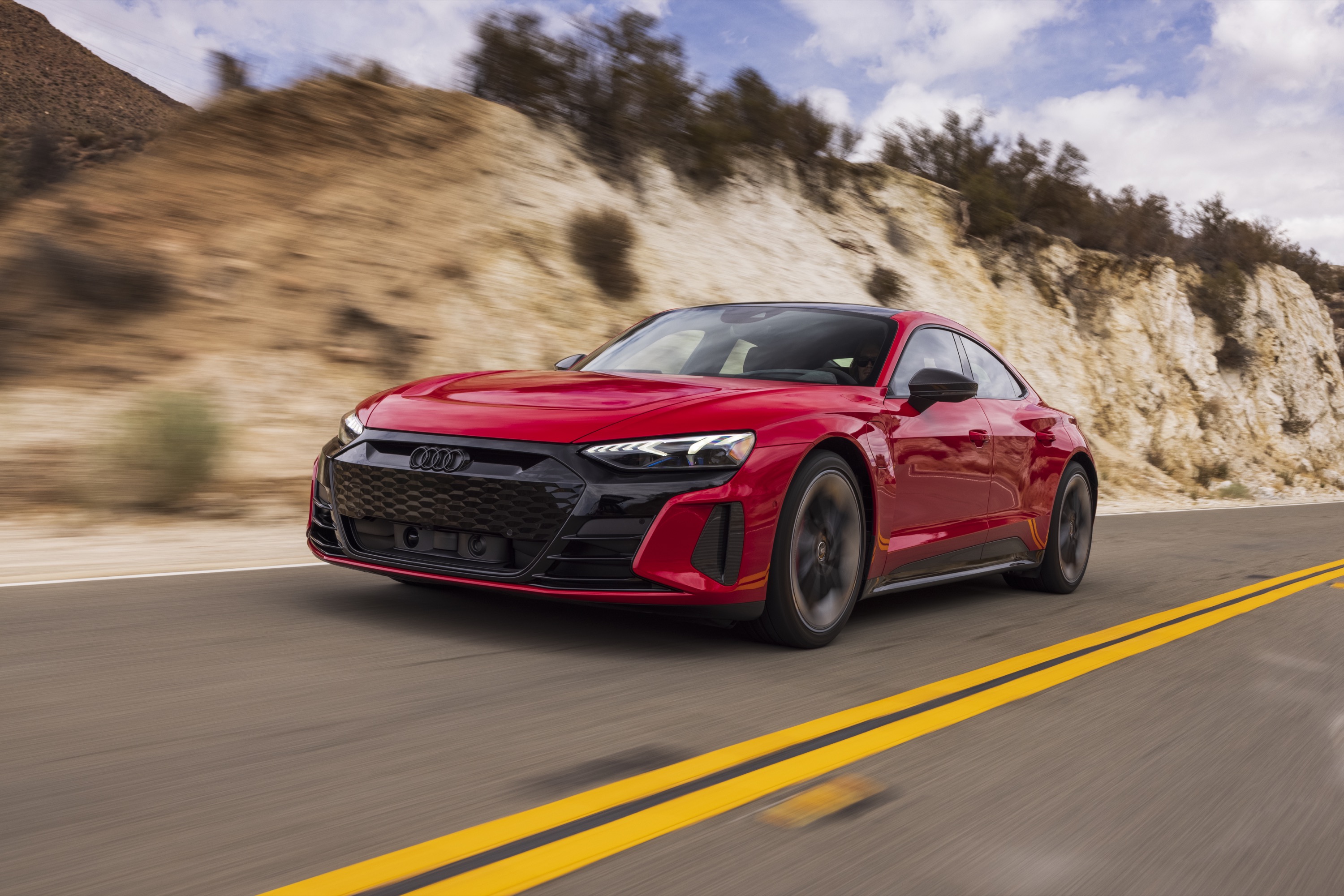
When is a Porsche not a Porsche? When it’s a 2022 Audi RS e-tron GT

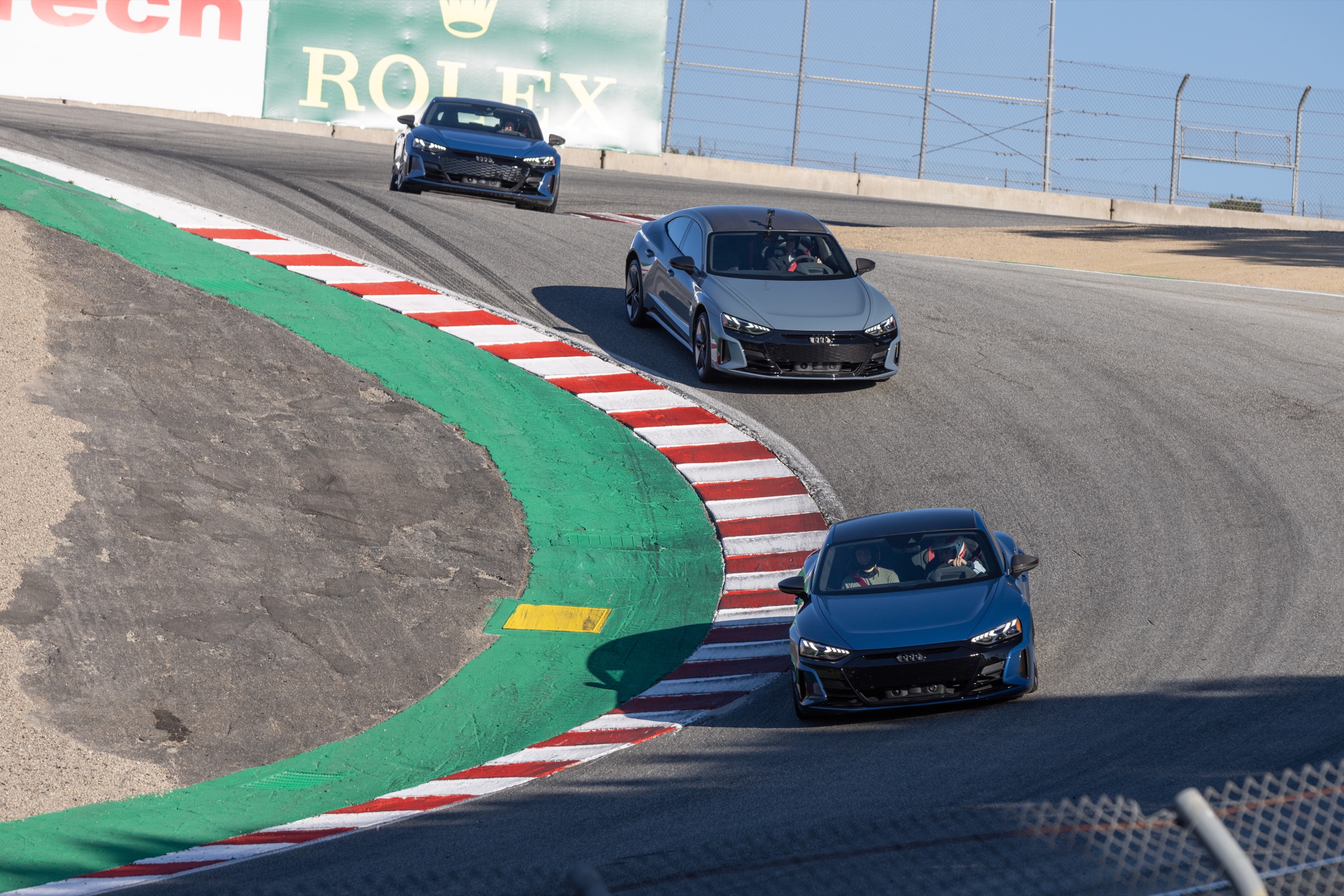
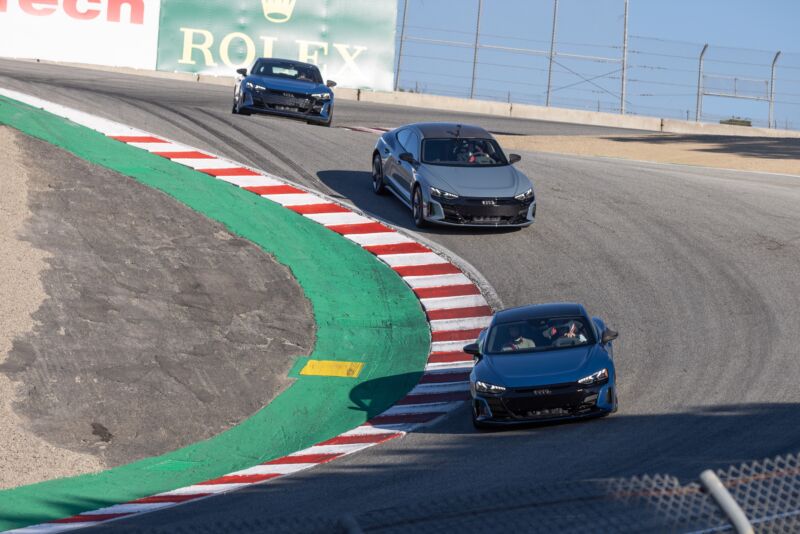
Three Audi RS e-tron GTs going through the corkscrew at Laguna Seca

Enlarge / Danish racing driver Tom Kristensen leads another pair of Audi RS e-tron GTs through the corkscrew corner at Laguna Seca. (credit: Audi)

Call it platform sharing, call it badge engineering, call it what you like—car companies have collaborated with each other to make cars for much of the automobile's history. Sometimes these link-ups happen between companies that might normally be considered rivals: Honda and Rover in the 1980s; the BMW/Toyota project that gave us the new Supra; or perhaps the forthcoming electric vehicle platform-sharing between Ford and Volkswagen or General Motors and Honda.

More often, it occurs among the shared brands of a single OEM—Chrysler Group's K platform in the 1980s is a good example. But few automakers have exploited the advantages of that quite like Volkswagen Group, which builds hundreds of different vehicles across its 10 brands around the world using just a handful of different platforms. The vast majority of these—and we're talking several million cars a year—are built on VW Group's MQB platform, which can give rise to anything from an Audi A3 to a Volkswagen Transporter van, with cars and crossovers and SUVs of most sizes and shapes.

But even as you go up the price scale, this practice is still widely used. For example, for decades Bentleys were basically Rolls-Royces with a slightly different nose; today, they share platforms with Porsche's Panamera and Cayenne. And it's why the handsome four-door EV in this review wears Audi RS e-tron GT badging yet features very Porsche Taycan-like specifications—a consequence of sharing the same J1 platform.

Read 8 remaining paragraphs | Comments

The first cubesat to fly and operate at the Moon has successfully arrived

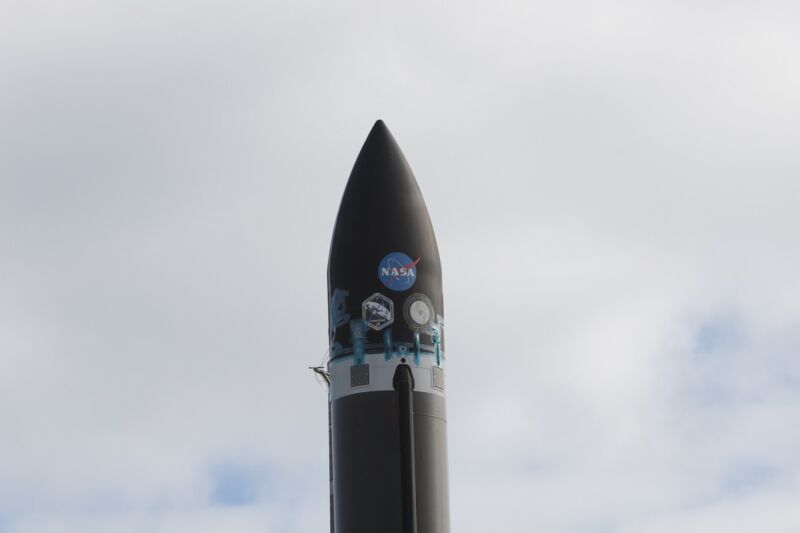
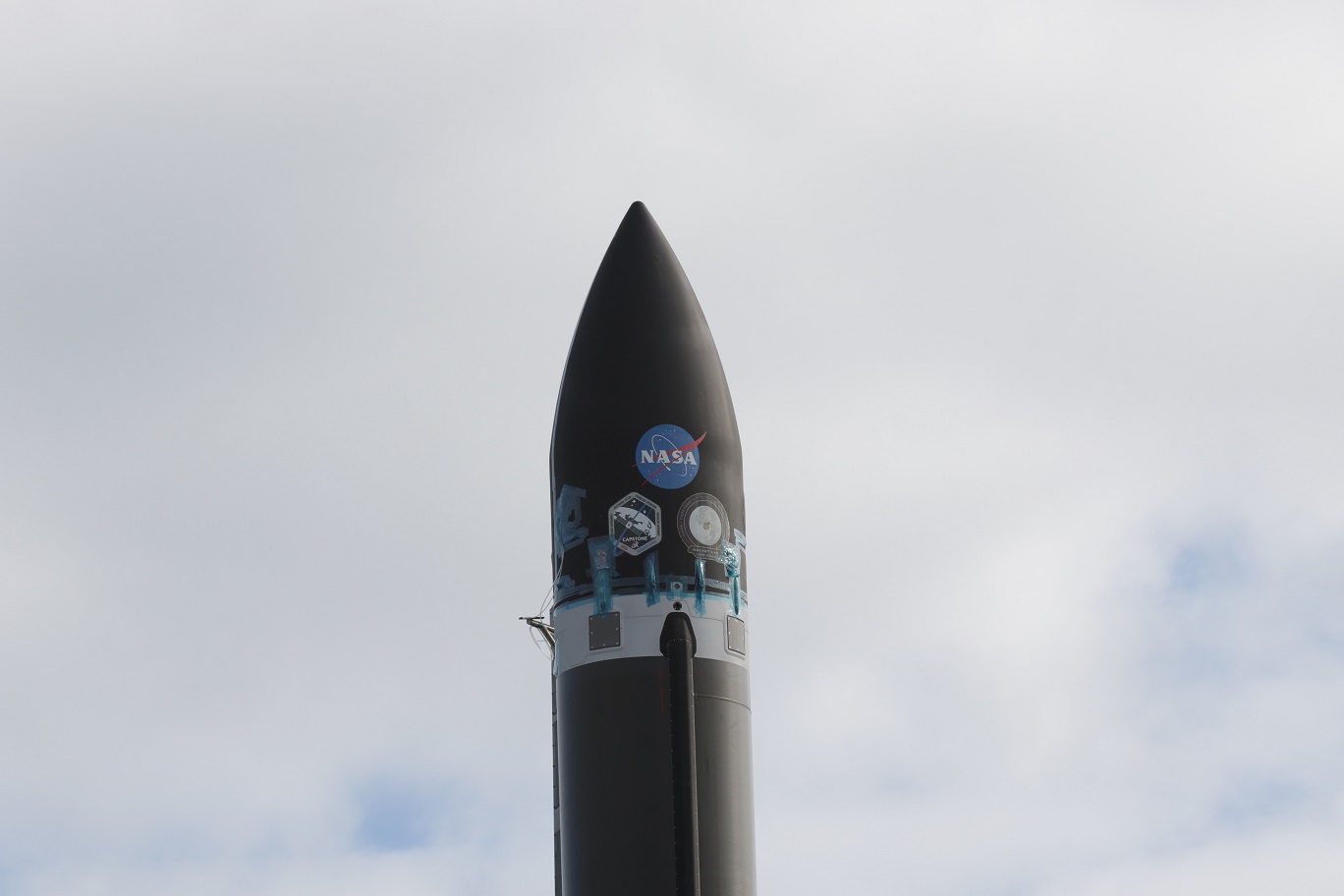
The CAPSTONE payload is seen here, atop an Electron rocket in New Zealand.

Enlarge / The CAPSTONE payload is seen here, atop an Electron rocket in New Zealand. (credit: Rocket Lab)

After a journey of nearly five months, taking it far beyond the Moon and back, the little CAPSTONE spacecraft has successfully entered into lunar orbit.

"We received confirmation that CAPSTONE arrived in near-rectilinear halo orbit, and that is a huge, huge step for the agency," said NASA's chief of exploration systems development, Jim Free, on Sunday evening. "It just completed its first insertion burn a few minutes ago. And over the next few days they'll continue to refine its orbit, and be the first cubesat to fly and operate at the Moon."

This is an important orbit for NASA, and a special one, because it is really stable, requiring just a tiny amount of propellant to hold position. At its closest point to the Moon, this roughly week-long orbit passes within 3,000 km of the lunar surface, and at other points it is 70,000 km away. NASA plans to build a small space station, called the Lunar Gateway, here later this decade.

Read 6 remaining paragraphs | Comments

How North Korea became a mastermind of crypto cybercrime

How North Korea became a mastermind of crypto cybercrime

Enlarge (credit: Financial Times)

Created by a Vietnamese gaming studio, Axie Infinity offers players the chance to breed, trade and fight Pokémon-like cartoon monsters to earn cryptocurrencies including the game’s own “Smooth Love Potion” digital token. At one stage, it had more than a million active players.

But earlier this year, the network of blockchains that underpin the game’s virtual world was raided by a North Korean hacking syndicate, which made off with roughly $620 million in the ether cryptocurrency.

The crypto heist, one of the largest of its kind in history, was confirmed by the FBI, which vowed to “continue to expose and combat [North Korea’s] use of illicit activities—including cyber crime and cryptocurrency theft—to generate revenue for the regime.”

Read 55 remaining paragraphs | Comments

The oracle who predicted SLS’s launch in 2023 has thoughts about Artemis III

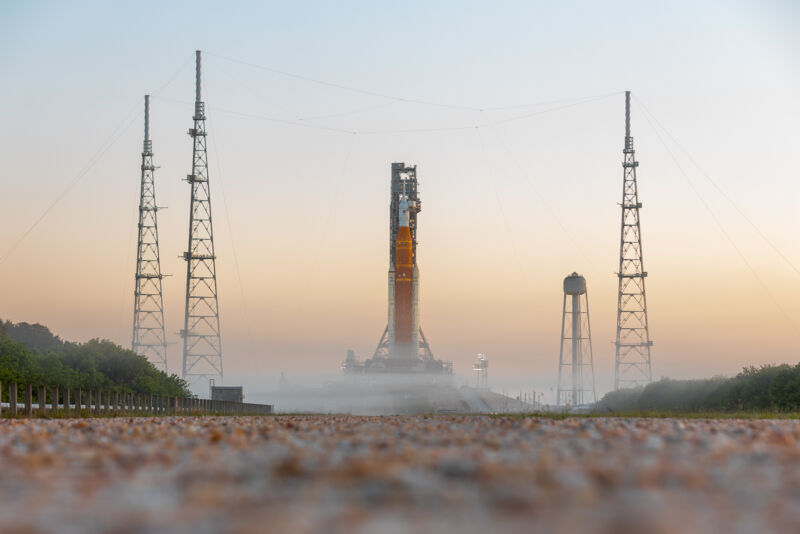
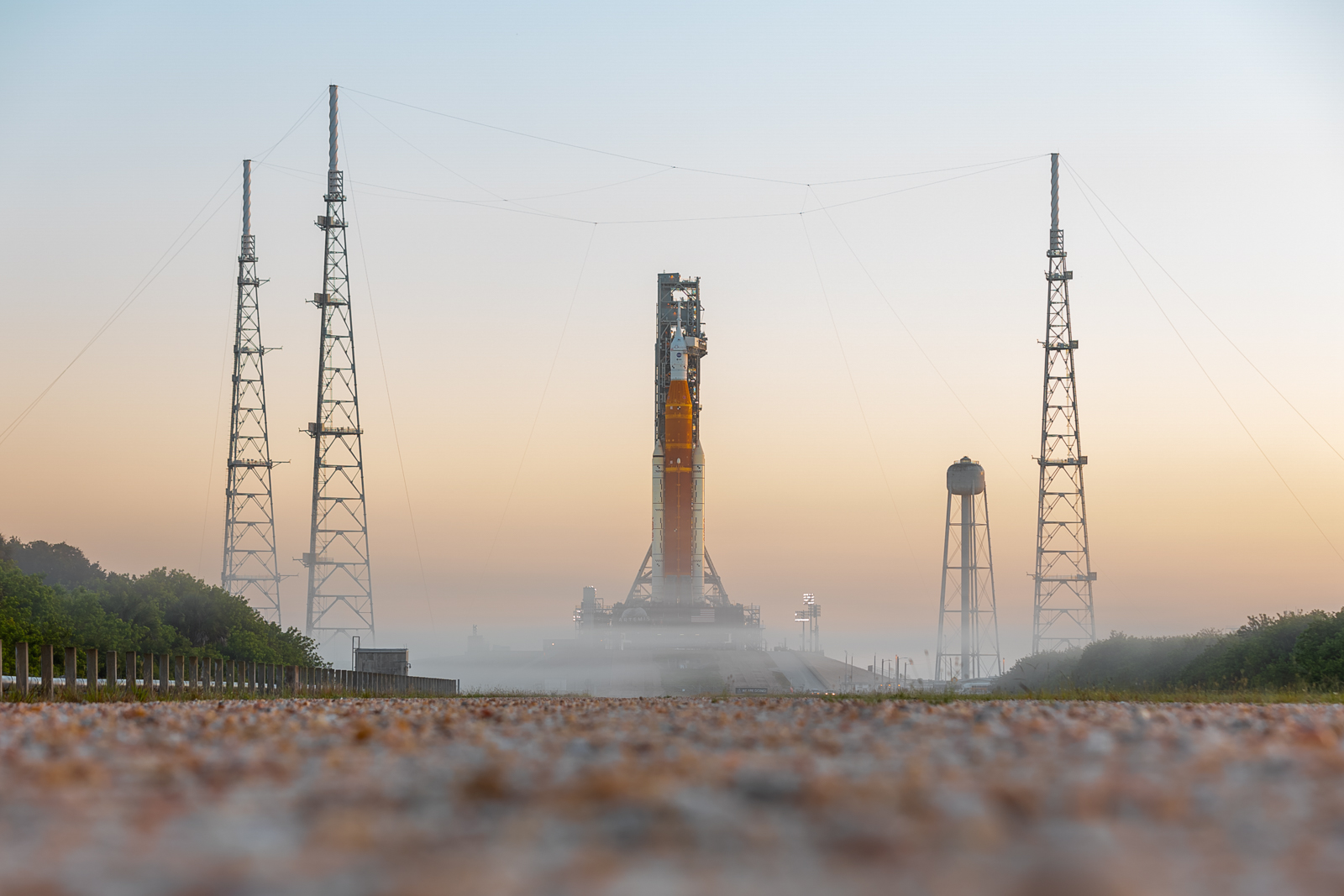
NASA's Artemis I mission is due to launch this year. But will Artemis III also fly on the Space Launch System rocket?

Enlarge / NASA's Artemis I mission is due to launch this year. But will Artemis III also fly on the Space Launch System rocket? (credit: Trevor Mahlmann)

On a chilly night in early December 2017, I met a couple of industry sources at a southeast Houston restaurant called Nobi. Located just down the road from Johnson Space Center, Nobi serves Vietnamese cuisine and has an amazing range of beers on tap. We partook.

These space industry figures are not well known outside the business, but they are very informed and shrewd observers of spaceflight. And perhaps most importantly to me as a reporter, they were particularly candid in this setting.

They were in town for a space conference, so we gossiped and chatted and talked shop. Deep into our cups, speculation turned toward NASA's Space Launch System rocket. When, I asked, do you really think the big rocket will launch?

Read 35 remaining paragraphs | Comments

A Polestar-Tuned Polestar 2 is the best Polestar

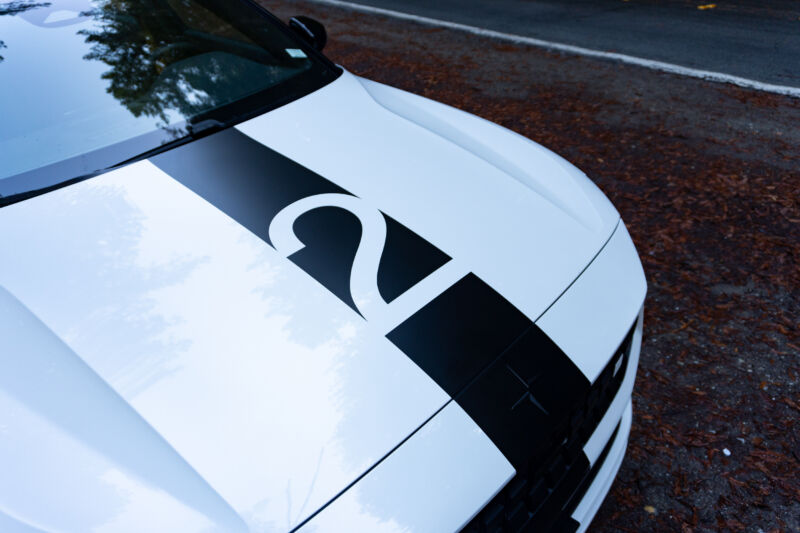
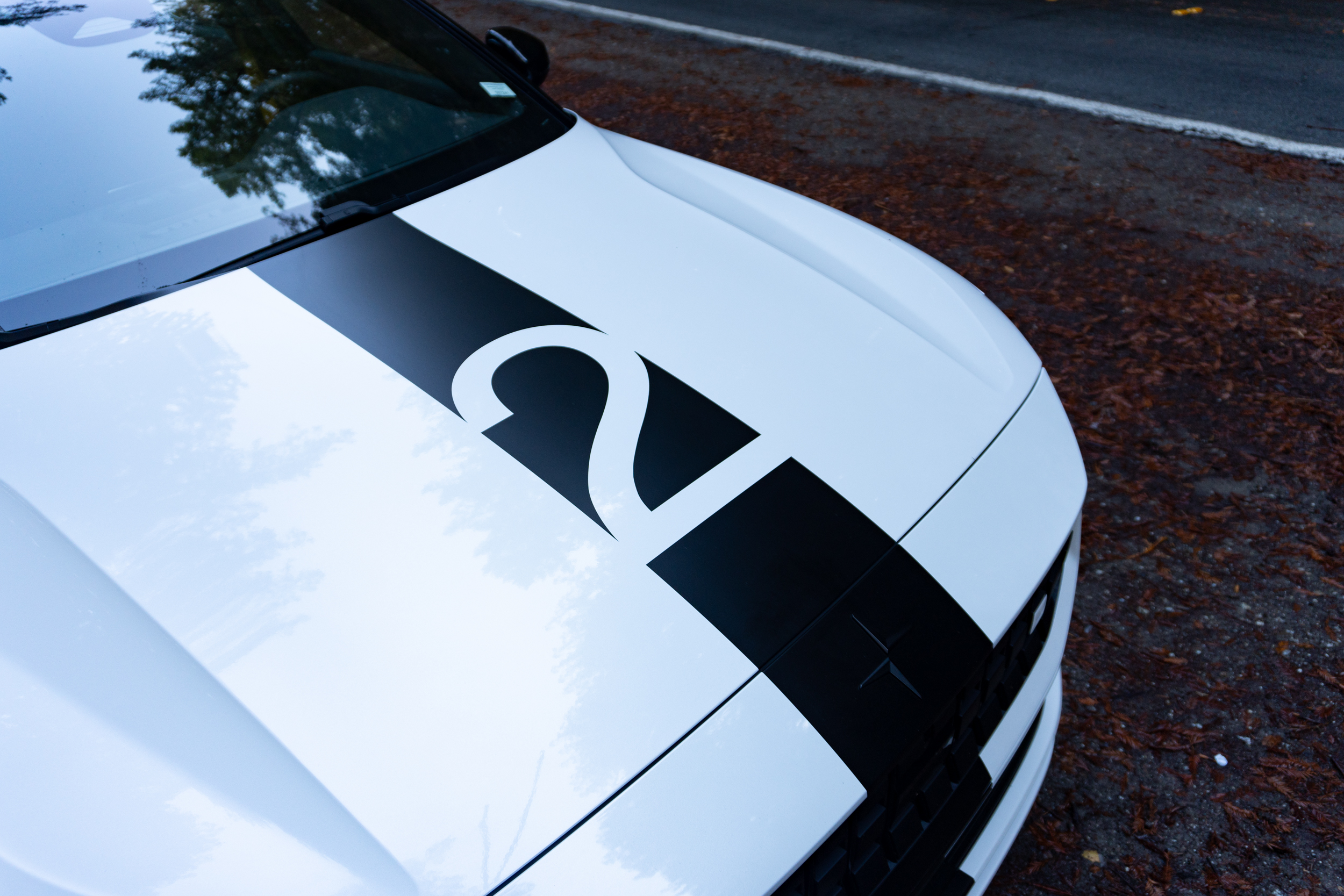
You can tell this Polestar 2 is a bit more special than most Polestar 2s by the great big stripe and the large number two.

Enlarge / You can tell this Polestar 2 is a bit more special than most Polestar 2s by the great big stripe and the large number two. (credit: Roberto Baldwin)

Polestar tunes Volvos. Polestar used to only tune Volvos. Taking a Volvo and making it better was Polstar’s only real job until it became one of the dozens of EV startups that have burst on the scene in the past 10 years. Now the company builds intriguing electric vehicles under the watchful eye of parent company Geely and quasi-parent Volvo.

But Polestar couldn’t deny its inclinations.

That’s how the Polestar 2 BST edition 2 (a garbled mouthful of a name) was born. A skunkworks project to tune a Polestar 2 by… well, Polestar. The chassis team wanted to make an “extraordinary version of the EV Christian Samson, Polestar’s head of product attributes told Ars Technica.

Read 9 remaining paragraphs | Comments

Electric doesn’t mean boring—Porsche’s EV future includes plenty of power

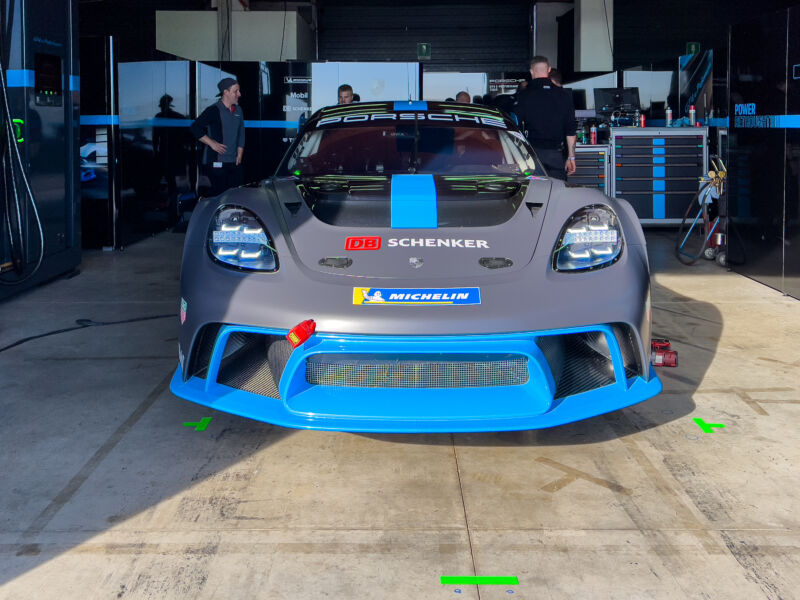
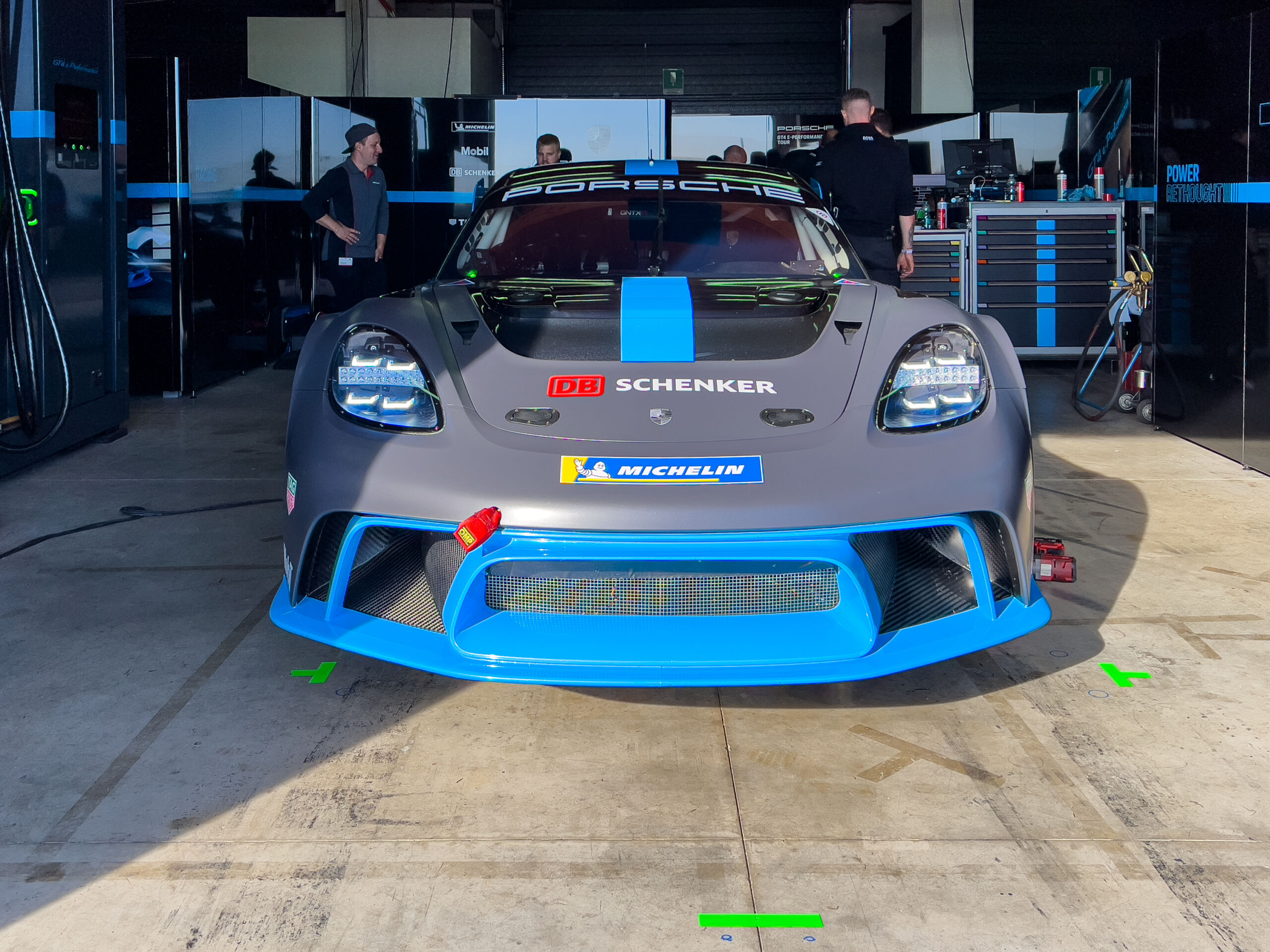
The exterior clues that this is a Porsche 718 GT4 ePerformance and not a 718 GT4 Clubsport are subtle; it's 140 mm (5.5 inches) wider, and the headlight projectors look more like a Taycan's than a Cayman's. But it's an all-electric car with more than a thousand horsepower on tap.

Enlarge / The exterior clues that this is a Porsche 718 GT4 ePerformance and not a 718 GT4 Clubsport are subtle; it's 140 mm (5.5 inches) wider, and the headlight projectors look more like a Taycan's than a Cayman's. But it's an all-electric car with more than a thousand horsepower on tap. (credit: Jonathan Gitlin)

FRANCIACORTA, ITALY—The auto industry is in the midst of a mass transformation as we move towards product lineups that are mostly or even entirely electric. Some are handling this transformation better than others, as supply chain problems caused by the pandemic and invasion of Ukraine add further complications. Witness the sorry state of Jaguar, which cancelled an electric replacement for the XJ sedan at the last minute, or the repeated electric vehicle-related missteps we've seen from Toyota, Honda, and Mazda of late.

There appear to be no such woes at Porsche, however. In 2019 it debuted the Taycan, a four-door electric sportscar that remains one of the best EVs on sale. Since then it's added new Taycan variants, two different flavors of EV wagon included, all built in a factory in Zuffenhausen, Germany that's already carbon-neutral. (Porsche's Zuffenhausen factory uses a very heavy mix of renewable energy and biogas from waste materials, and has been independently certified by Germany's DGNB.)

But Porsche isn't resting on its laurels. Fine though the Taycan is, it really is just the start of the OEM's electrified journey—as long as you aren't counting some of Ferdinand Porsche's very earliest vehicles, like the Egger-Lohner C2 Phaeton of 1898. Future battery EVs from Porsche will use an all-new flexible architecture called PPE—for premium platform electric—which the company is developing together with fellow VW Group sibling Audi (with Porsche taking the lead here).

Read 19 remaining paragraphs | Comments