Wednesday, July 5

Judge rules White House pressured social networks to suppress free speech

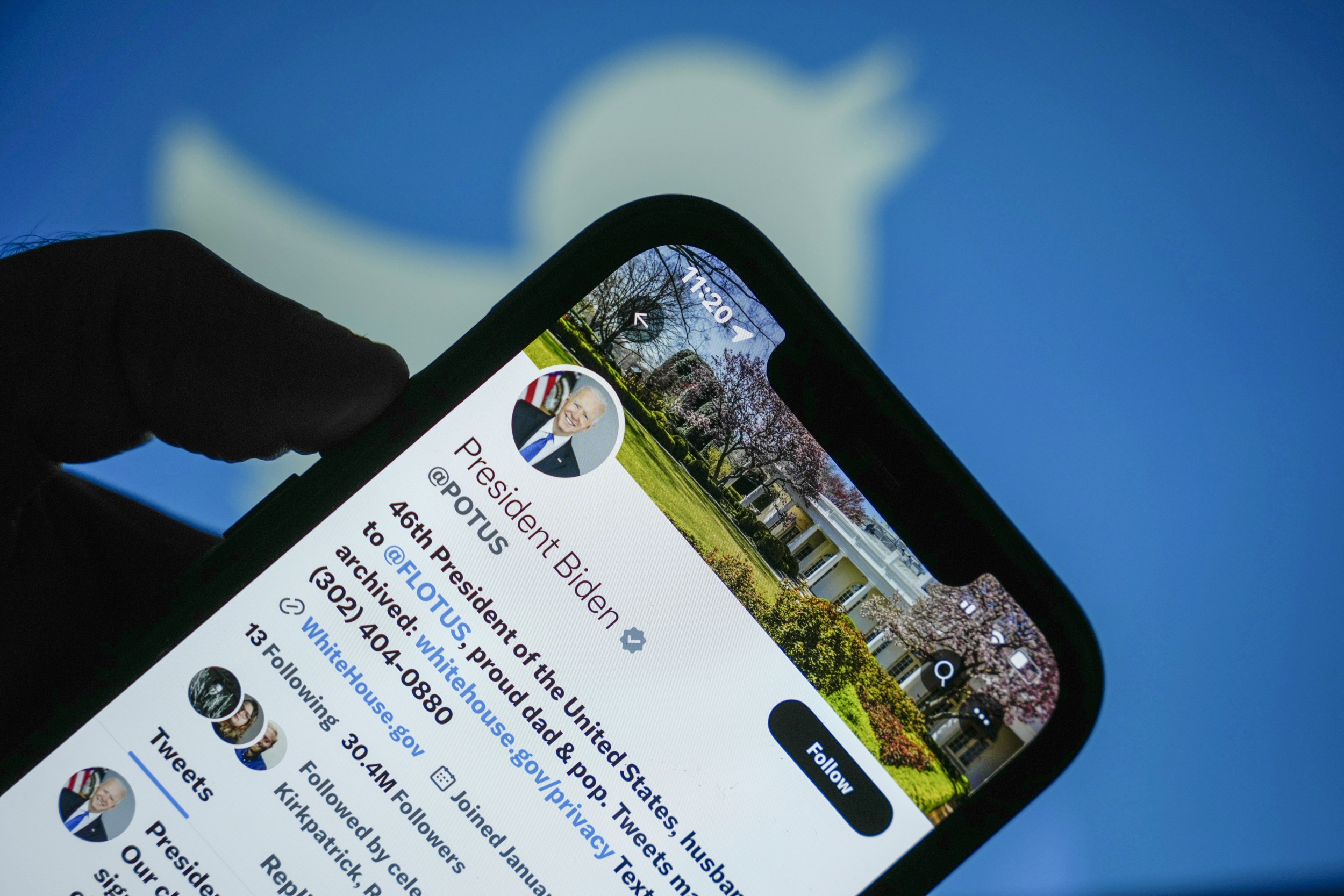
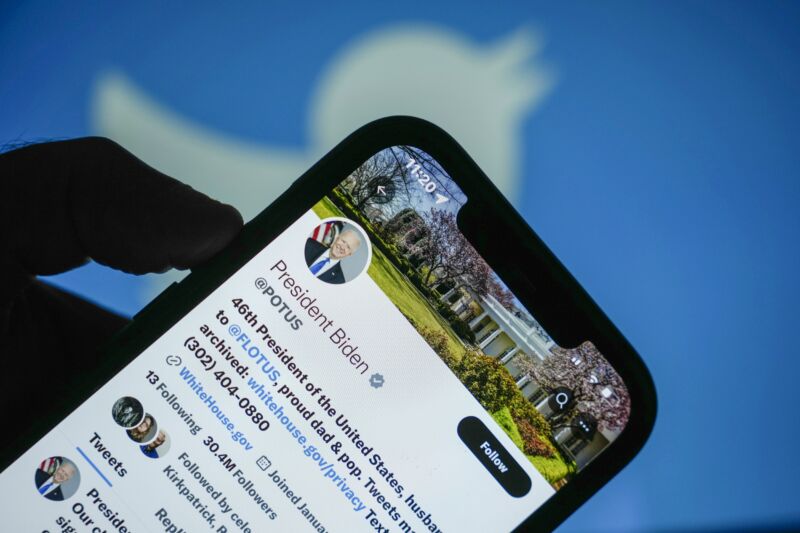
The Twitter account of US President Joe Biden displayed on a smartphone screen.

Enlarge (credit: Getty Images | Christopher Furlong )

A federal judge yesterday ordered the Biden administration to halt a wide range of communications with social media companies, siding with Missouri and Louisiana in a lawsuit that alleges Biden and his administration violated the First Amendment by colluding with social networks "to suppress disfavored speakers, viewpoints, and content."

The Biden administration argued that it communicated with tech companies to counter misinformation related to elections, COVID-19, and vaccines, and that it didn't exert illegal pressure on the companies. The communications to social media companies were not significant enough "to convert private conduct into government conduct," Department of Justice lawyers argued in the case.

But Judge Terry Doughty, a Trump nominee at US District Court for the Western District of Louisiana, granted the plaintiffs' request for a preliminary injunction imposing limits on the Department of Health and Human Services, the National Institute of Allergy and Infectious Diseases, the Centers for Disease Control and Prevention, the Federal Bureau of Investigation, the Department of Justice, the US Census Bureau, the State Department, the Homeland Security Department, the Cybersecurity and Infrastructure Security Agency, and many specific officials at those agencies. The injunction also affects White House officials.
Read 28 remaining paragraphs | Comments

Mid-1990s Sega document leak shows how it lost the second console war to Sony

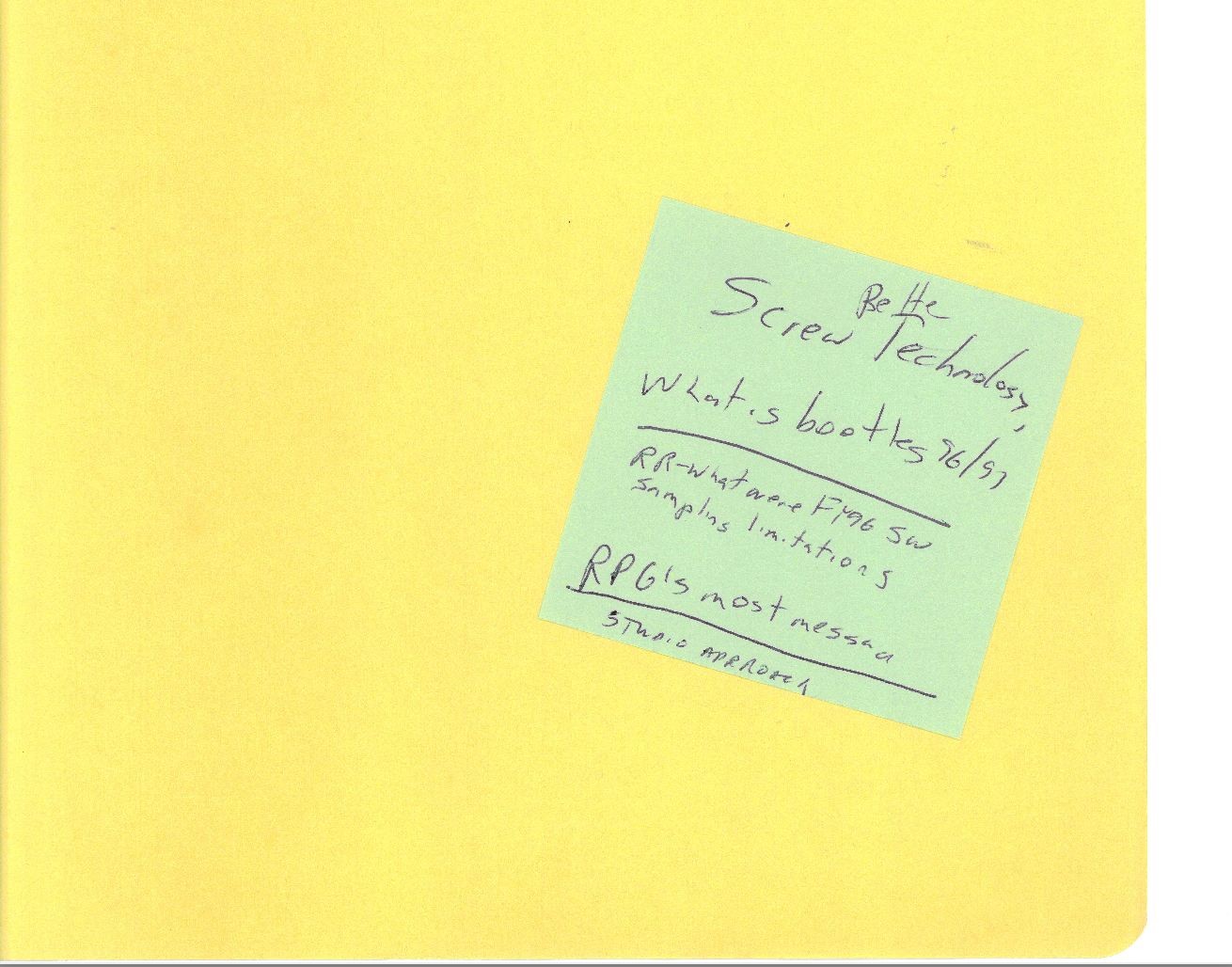
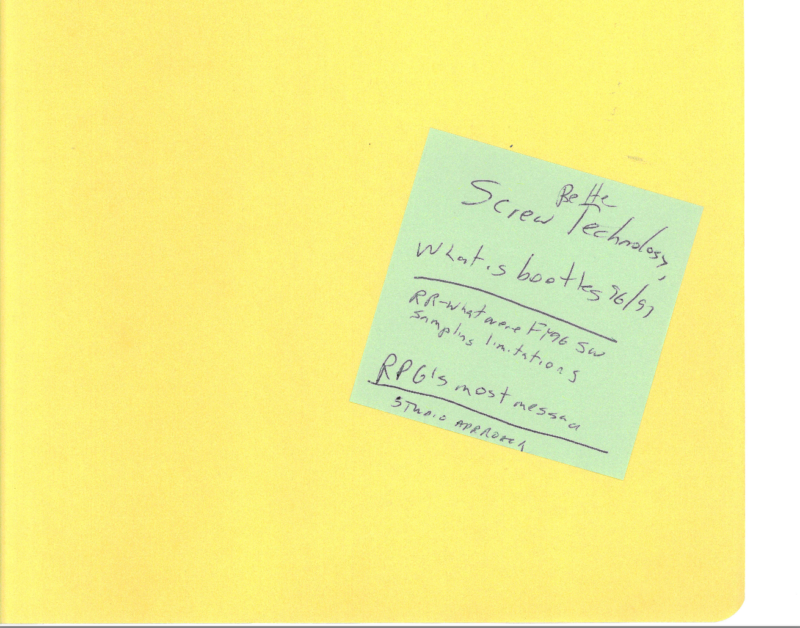
Post-It Note on the cover of a Sega internal document folder

Enlarge / There are so many incomplete and esoteric thoughts on this note attached to a "Brand Strategy" folder in the Sega leaked docs that I will be thinking about it for days, if not months. What were fiscal year 1996 software sampling limitations? (credit: Sega Retro)

Most of the changes on the Sega Retro wiki every day are tiny things, like single-line tweaks to game details or image swaps. Early Monday morning, the site got something else: A 47MB, 272-page PDF full of confidential emails, notes, and other documents from inside a company with a rich history, a strong new competitor, and deep questions about what to do next.

The document offers glimpses, windows, and sometimes pure numbers that explain how Sega went from a company that broke Nintendo's near-monopoly in the early 1990s to giving up on consoles entirely after the Dreamcast. Enthusiasts and historians can see the costs, margins, and sales of every Sega system sold in America by 1997 in detailed business plan spreadsheets. Sega's Wikipedia page will likely be overhauled with the information contained in inter-departmental emails, like the one where CEO Tom Kalinske assures staff (and perhaps himself) that "we are killing Sony" in Japan in March 1996.

"Wish I could get our staff, sales people, retailers, analysts, media, etc. to see and understand what's happening in Japan. They would then understand why we will win here in the US eventually," Kalinske wrote. By September 1996, this would not be the case, and Kalinske would tender his resignation.

Read 7 remaining paragraphs | Comments

Going deep with the Book 8088 the brand-new laptop that runs like its 1981

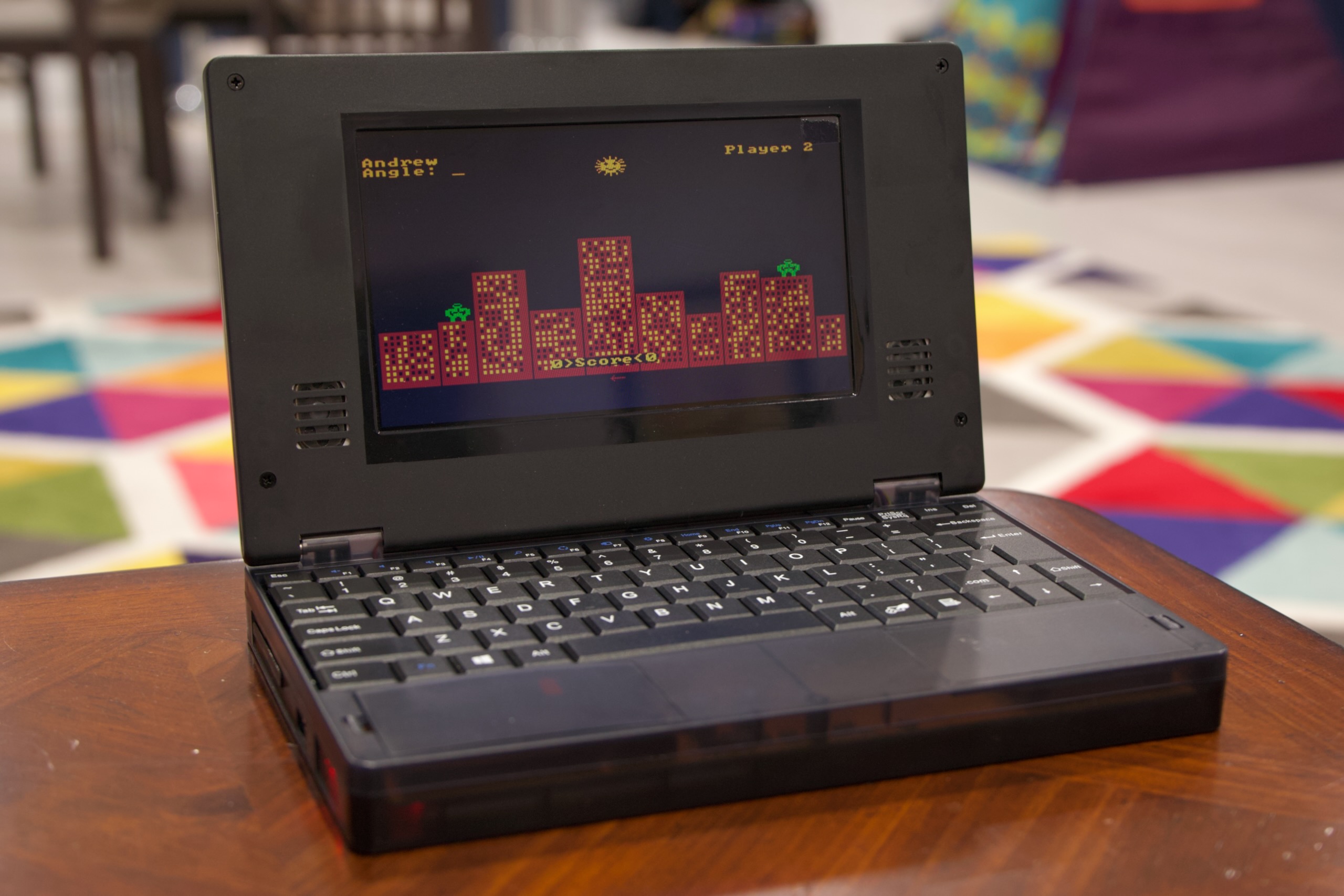
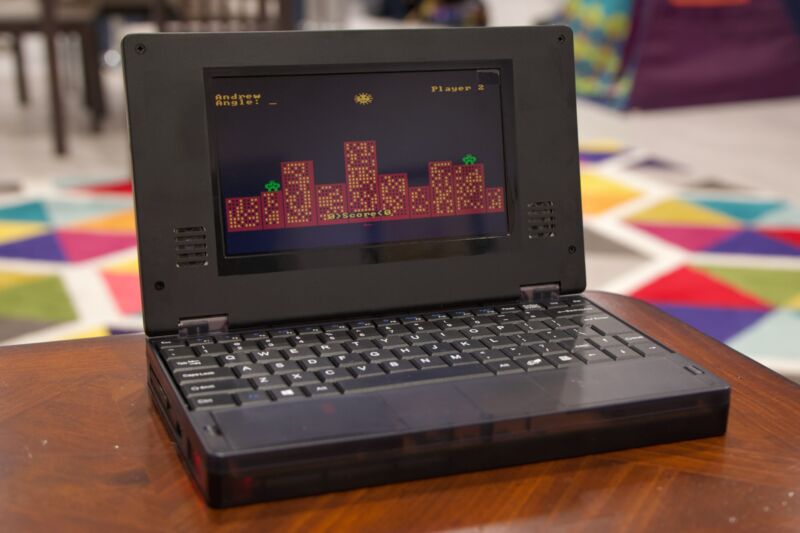
The Book 8088, a strange homebrewed curio that recalls the earliest days of x86 PCs.

Enlarge / The Book 8088, a strange homebrewed curio that recalls the earliest days of x86 PCs. (credit: Andrew Cunningham)

The words you're reading are time travelers.

They were written on a laptop that is technically brand new, in the sense that it was only released recently. But everything from the word processor this text was written in to the CPU that ran it is decades old.

I am writing this on the Book 8088, an utterly bizarre $200-ish imported system that uses a processor from 1984, a custom motherboard design, and a bunch of cobbled-together parts to approximate the specs of the original IBM PC 5150 from 1981. It's running at a blazing-fast speed of 4.77MHz, at least when it's not in TURBO MODE, and it has a generous helping of 640KB (yes, kilobytes) of system memory. (If you can't buy one now, keep an eye on the listing because it has blinked into and out of stock a few times over the last few weeks).

Read 57 remaining paragraphs | Comments

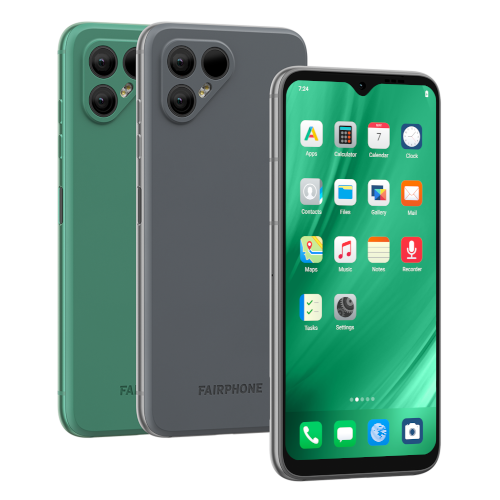
Fairphone 4the repairable sustainable smartphoneis coming to the US

Fairphone is a unique Android manufacturer; it offers a smartphone designed for repair, long software support times, and a selection of parts available online. The Dutch electronics manufacturer has mostly only focused on the European market and says, "When is Fairphone coming to the US?" is one of the most common questions it gets asked. Well, ask no more! The company is finally bringing the Fairphone 4 to the US—with some caveats.

Fairphone is launching a "US pilot" program to sell the Fairphone 4 in America in partnership with Murena, the primary developer behind the /e/ Android fork. Murena has been selling Fairphones in Europe for a while, and they come pre-loaded with the /e/ OS, instead of Fairphone's build of Android, and now the US is getting the deal. The phone costs $599.

"We know based on feedback we have received that there are many people interested in Fairphone in the US." Fairphone CEO Eva Gouwens said in the press release. "However, currently our main focus is on the European market. This collaboration with e/OS/ is a great opportunity for us to pilot selling devices in the US market with a long-standing partner and learn more about the American market.”

Read 3 remaining paragraphs | Comments

Monday, July 3

Unsolved Wendys outbreak shows challenges of fighting foodborne illnesses

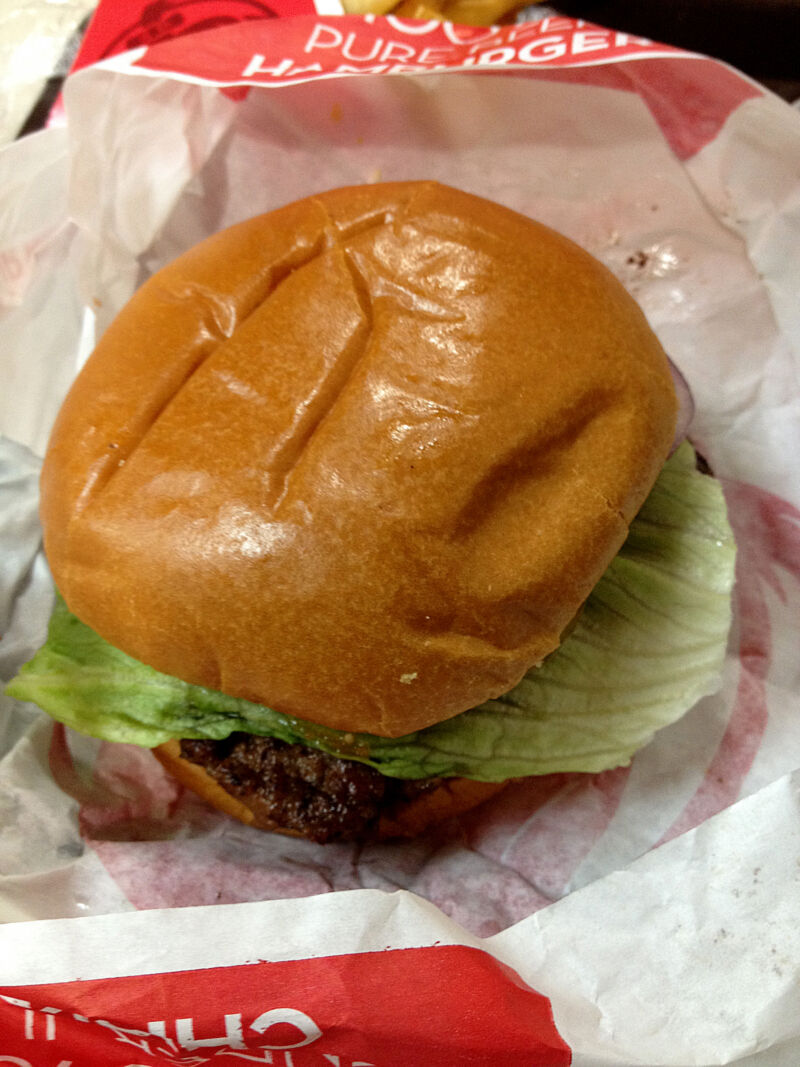
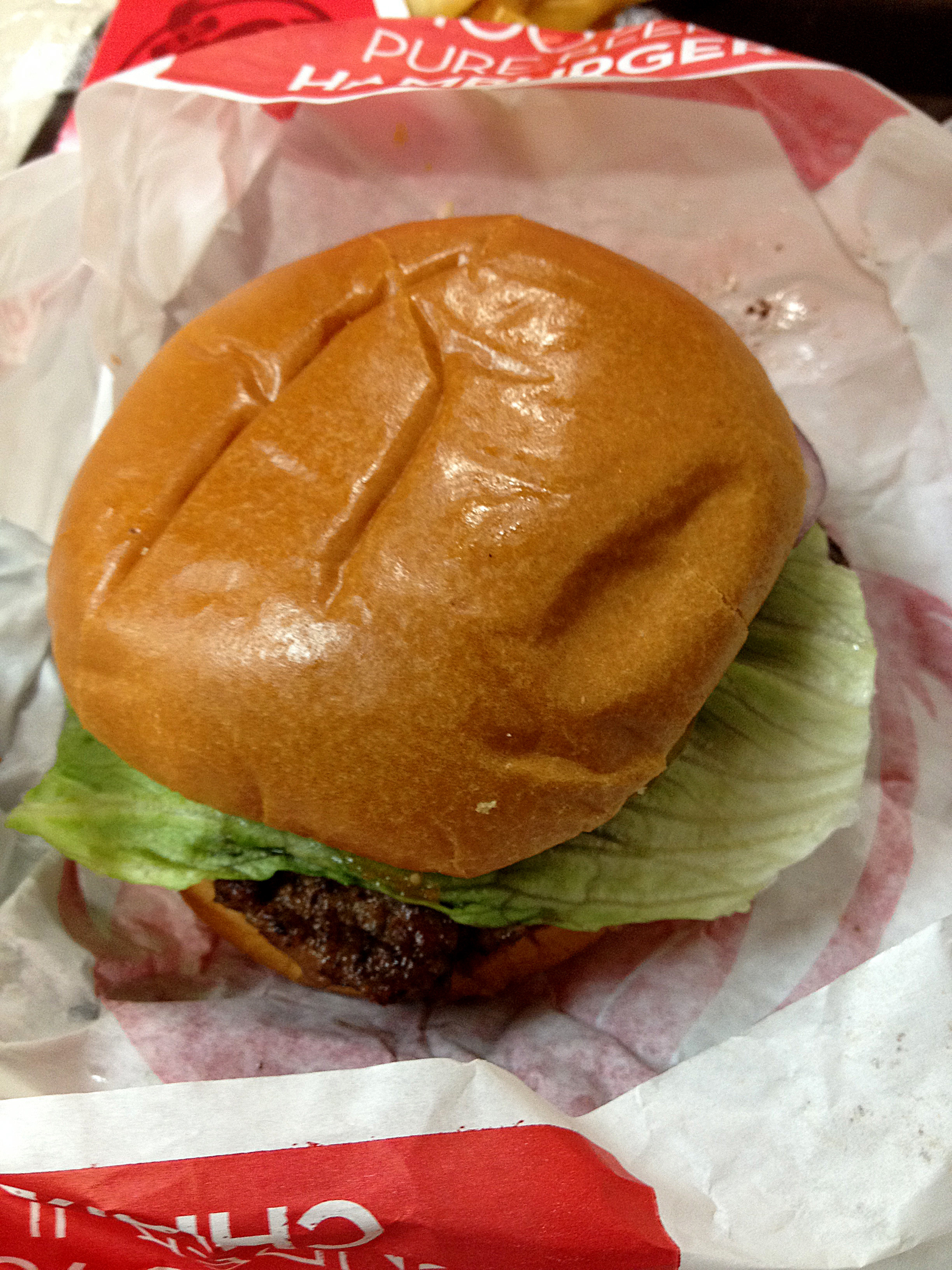
A Wendy's old-fashion burger. Romaine lettuce on Wendy's burgers is thought to be the cause of the outbreak.

Enlarge / A Wendy's old-fashion burger. Romaine lettuce on Wendy's burgers is thought to be the cause of the outbreak. (credit: Getty | Francis Dean)

We will never know for certain what caused a large, multistate outbreak of E. coli O157:H7 infections linked to Wendy's restaurants late last year, according to a new study led by investigators at the Centers for Disease Control and Prevention.

The study, highlighting weaknesses in our ability to respond to foodborne outbreaks, lands amid a separate report published by the CDC finding that, in general, we're also failing to prevent outbreaks. In fact, cases from some common foodborne pathogens have increased relative to pre-pandemic levels.

In the outbreak last year, which spanned from July to August, at least 109 people in six states fell ill, with 52 needing to be hospitalized. Eating at Wendy's was a clear link. But it wasn't enough to crack the case.

Read 7 remaining paragraphs | Comments

Musk annoys Twitter users by capping number of tweets they can view each day

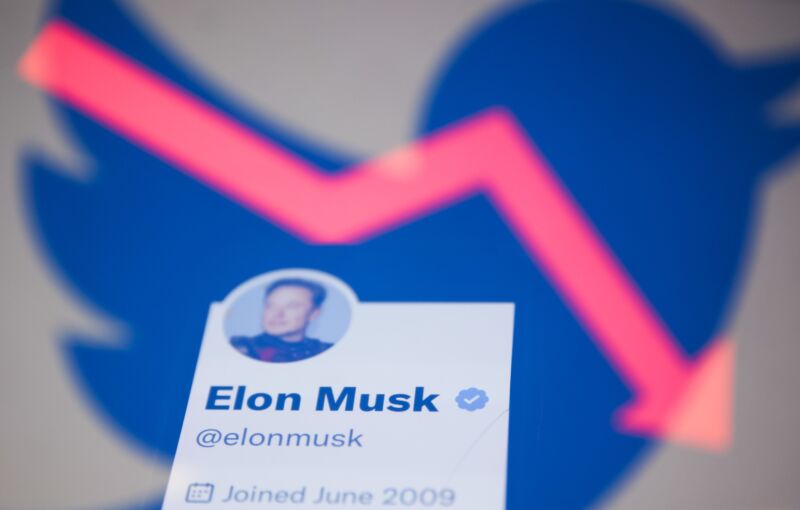
Elon Musk's Twitter profile displayed on a phone screen in front of a Twitter logo and a fake stock graph with an arrow pointing down.

Enlarge (credit: Getty Images | NurPhoto )

Twitter has imposed limits on how many tweets users can view each day, with owner Elon Musk claiming the drastic change was needed to fight "data scraping" and other "manipulation." Users who hit the rate limits were greeted with error messages like "Sorry, you are rate limited. Please wait a few moments then try again."

"To address extreme levels of data scraping & system manipulation, we've applied the following temporary limits: - Verified accounts are limited to reading 6000 posts/day - Unverified accounts to 600 posts/day - New unverified accounts to 300/day," Musk wrote on Saturday.

When Musk says "verified," of course, he means users who pay $8 a month for the Twitter Blue subscription that comes with certain perks, such as adding a blue checkmark to the accounts of subscribers. Prior to Musk's ownership of Twitter, "verified" meant that a user had been confirmed to be notable and authentic.

Read 13 remaining paragraphs | Comments

Apple forced to make major cuts to Vision Pro headset production plans

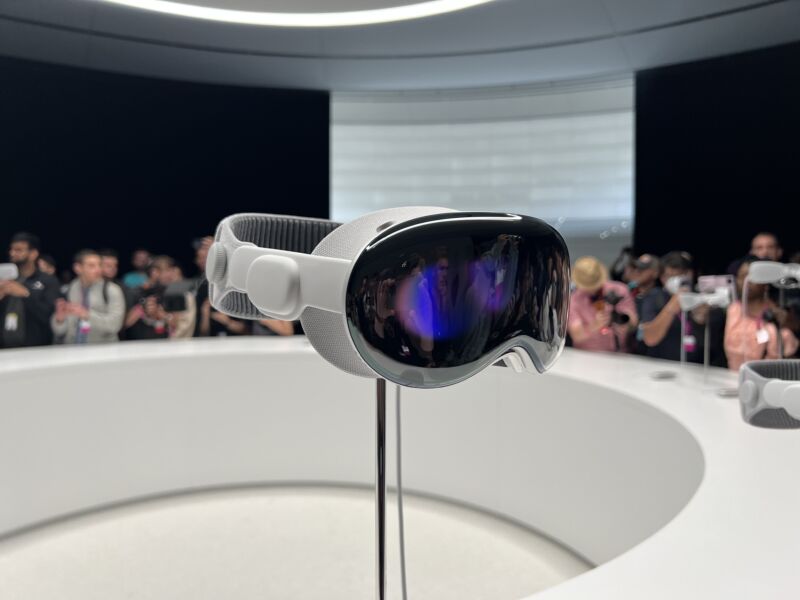
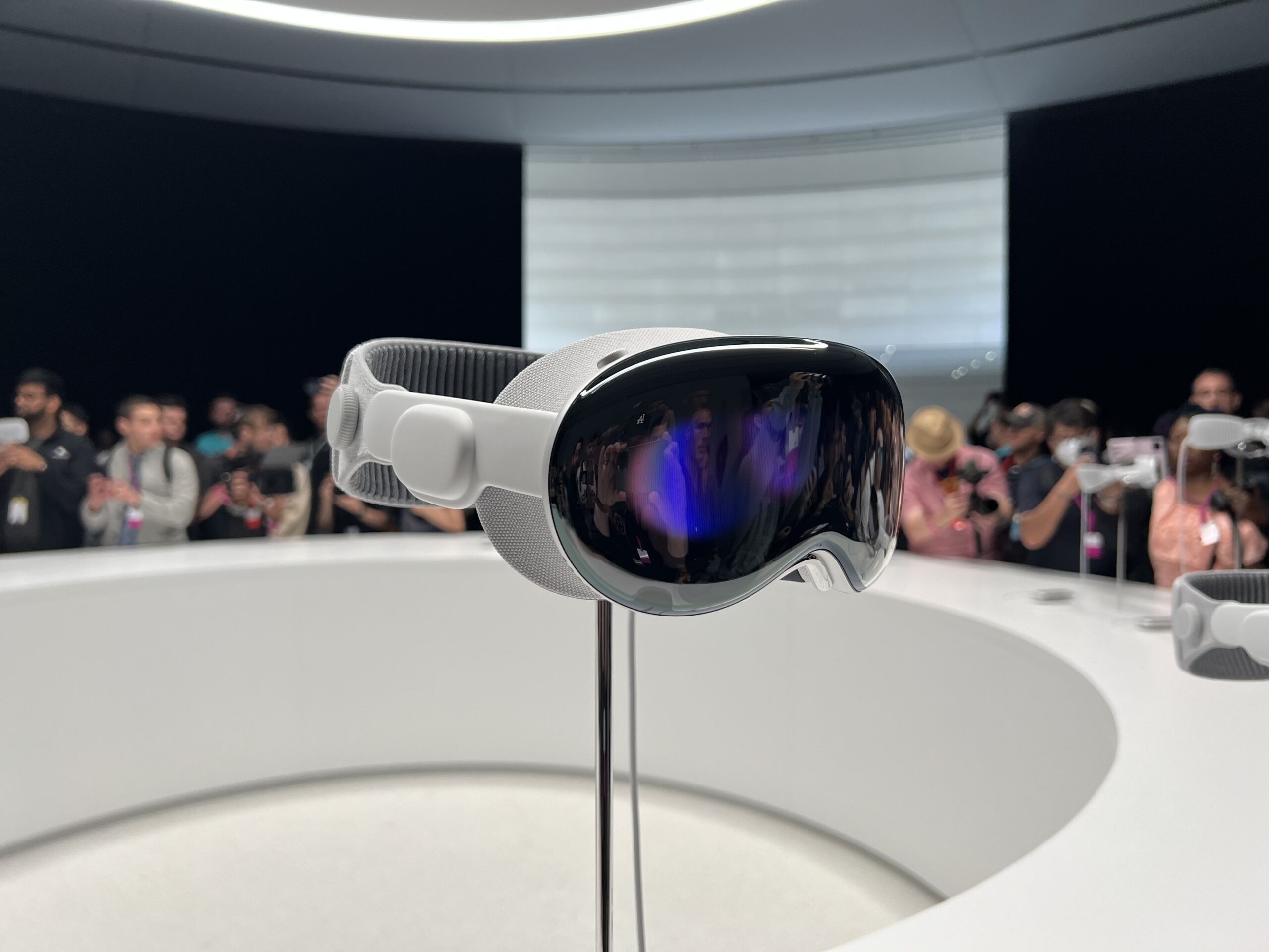
An AR headset sits on a stand in a public viewing area.

Enlarge / This is Apple’s Vision Pro headset. It looks a bit like a particularly bulky pair of ski goggles, with the materials and design language of Apple’s AirPods Max headphones. (credit: Samuel Axon)

Apple has been forced to make drastic cuts to production forecasts for the mixed-reality Vision Pro headset, unveiled last month after seven years in development and hailed as its most significant product launch since the iPhone.

The complexity of the headset design and difficulties in production are behind the scaling back of targets, while plans for a more affordable version of the device have had to be pushed back, according to multiple people with direct knowledge of the manufacturing process.

Apple has already flagged that the $3,500 “spatial computing” headset device will not go on sale until “early next year,” a lengthy gap from its June 5 launch. Analysts have interpreted this as being more to do with supply chain problems than allowing developers time to create apps for the Vision Pro.

Read 20 remaining paragraphs | Comments